
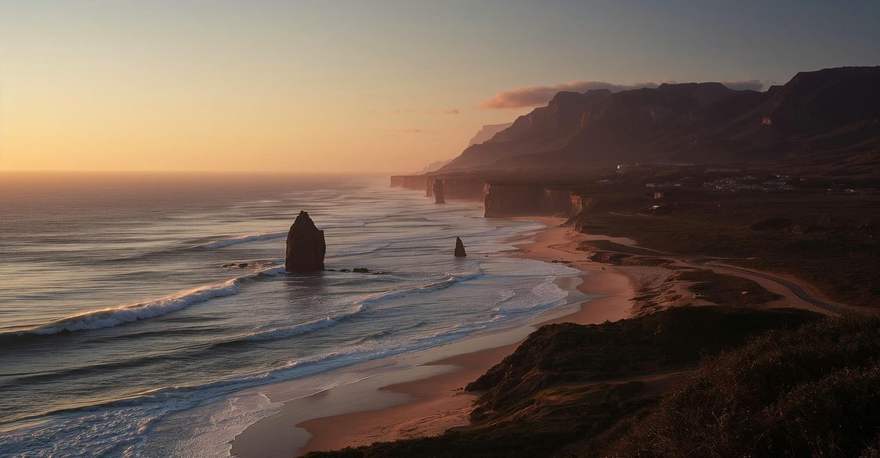
The African Coastal Discovery Journey
Cape Town to the Eastern Cape, the full arc: city, valley, whale coast, forest and finally elephants. The journey the company was built to run.
From $8,000per person
View journey
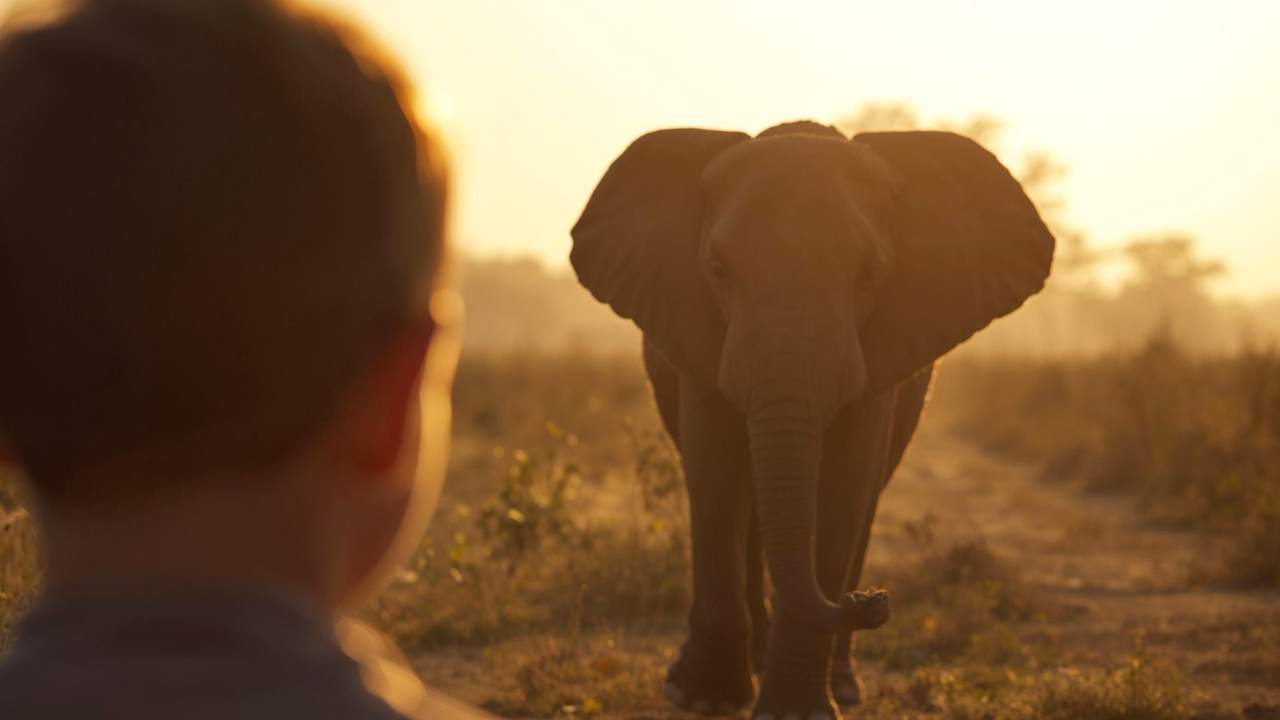
Private journeys through South Africa’s oceans, forests and wildlife — designed around your family.
South Africa is a country where two oceans meet, ancient forests stand beside endless beaches, and wildlife moves through landscapes shaped over millions of years.
Most visitors see only fragments of it: a city, a mountain, a beach, one afternoon on safari. We open the door to what lies between — the coastal villages, the indigenous forests, the quiet lagoons and the communities who give this coastline its character.
We do not sell transport between destinations. We design journeys that become family stories.
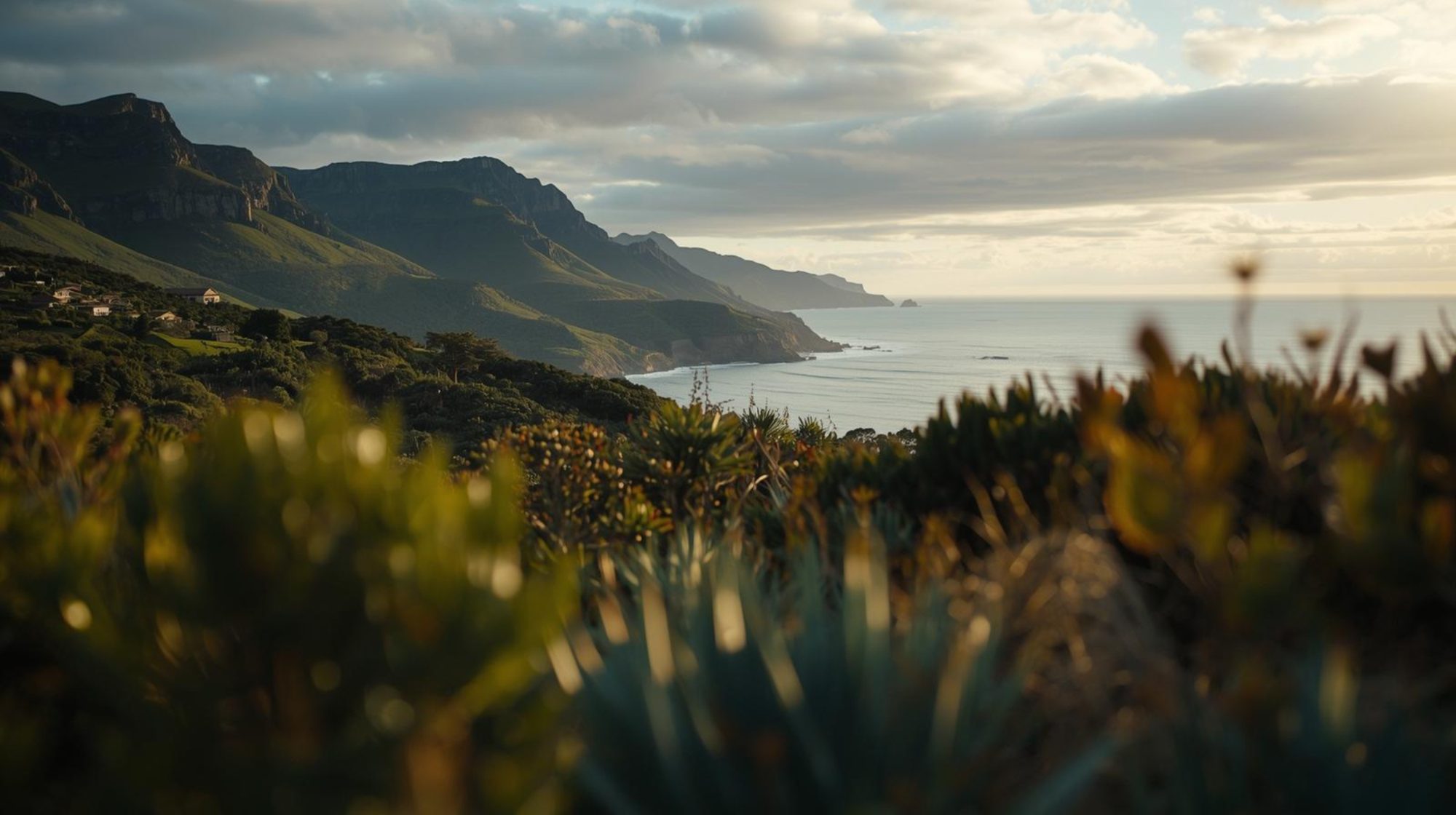
Your own vehicle, your own guide, your own pace. No shared schedules, no strangers, no fixed departure dates.
Arabic-speaking coordination, halal-friendly dining arranged in advance, prayer times respected, privacy taken seriously.
Itineraries that work for a four-year-old and a grandparent on the same day — shorter drives, longer stays, real rest built in.
Our guides are naturalists and storytellers who live on this coast. By day three, they know how your family likes to travel.
We stay in lodges we know personally. Fewer options, each one visited, each one accountable to us.
The specialist who plans your journey is reachable for its whole duration — before departure, on the road, after you fly home.
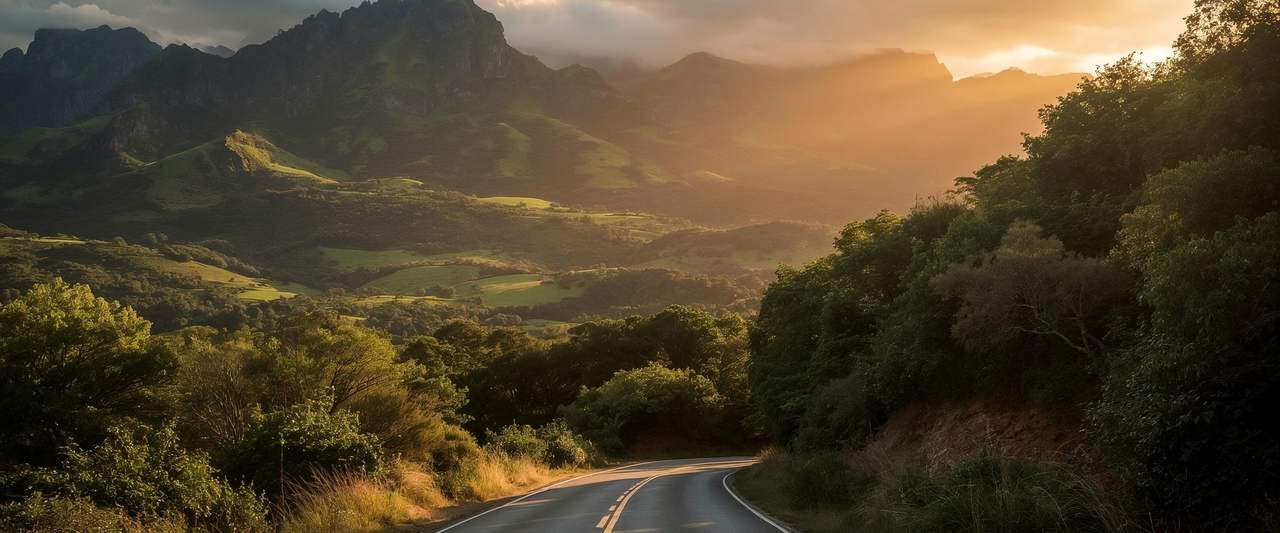
The Garden Route is not a road you drive. It is a sequence — and the order matters. Each stop changes the pace of the one before it, so the journey builds instead of repeating.
Cape Town to the Eastern Cape, the full arc: city, valley, whale coast, forest and finally elephants. The journey the company was built to run.
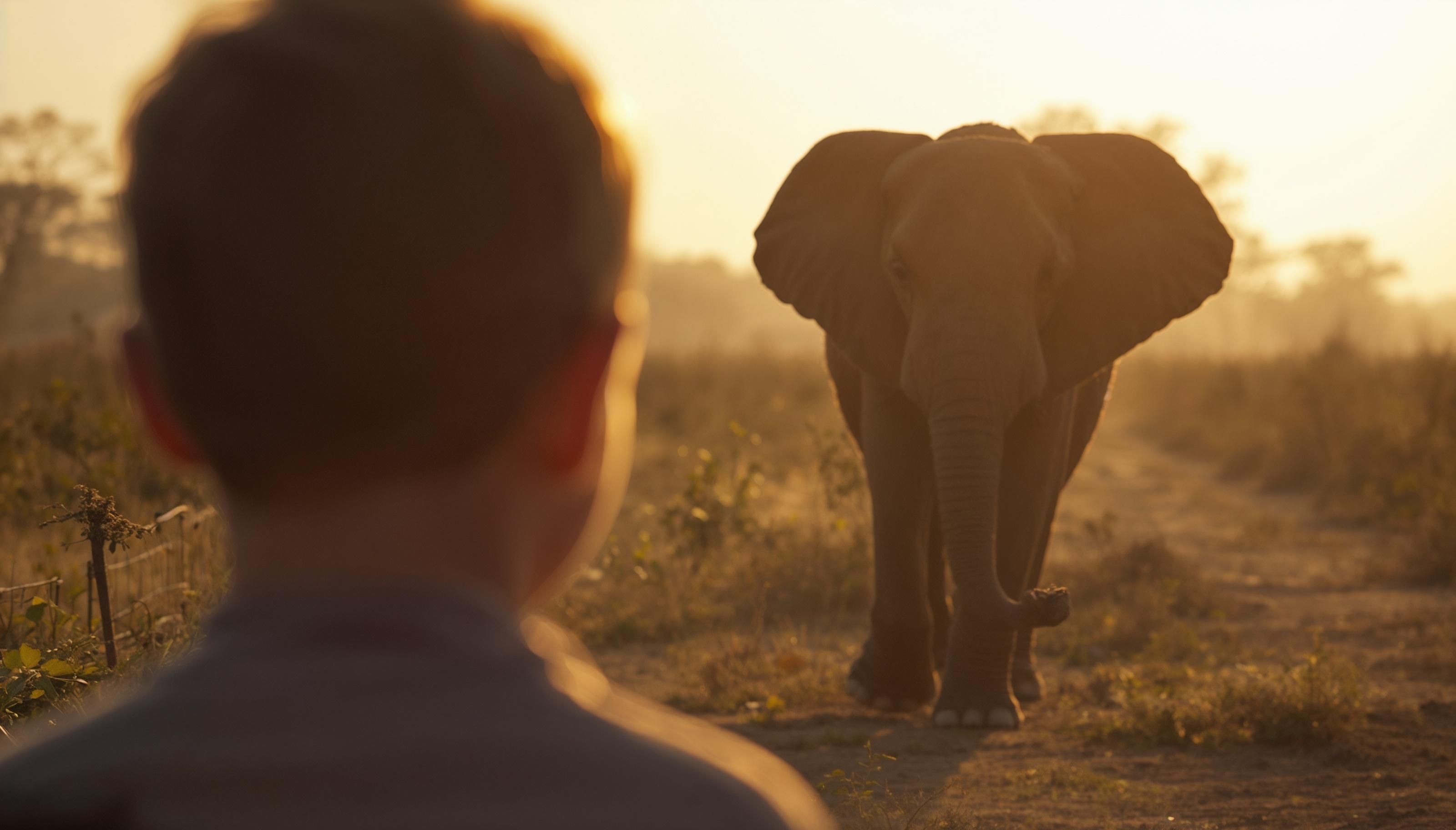
Shorter drives, two-night minimums and a day that works for every generation travelling together.
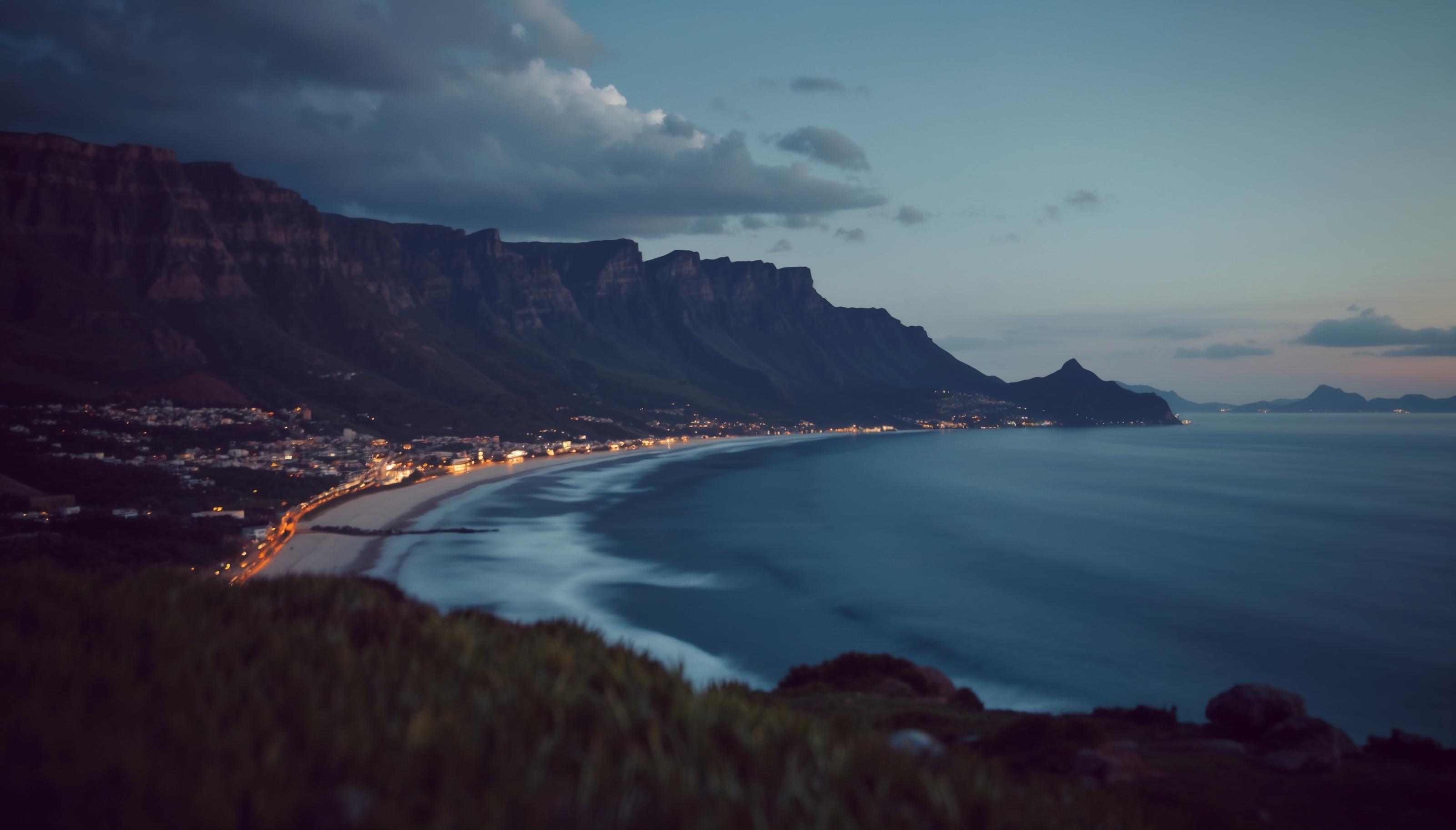
Slow mornings, private dinners and the quietest corners of the coast, for couples who want the road to themselves.
Cultural awareness is not a line in a brochure. It is the difference between a good holiday and a family feeling genuinely welcome eight thousand kilometres from home. These are practical commitments, made before you arrive.
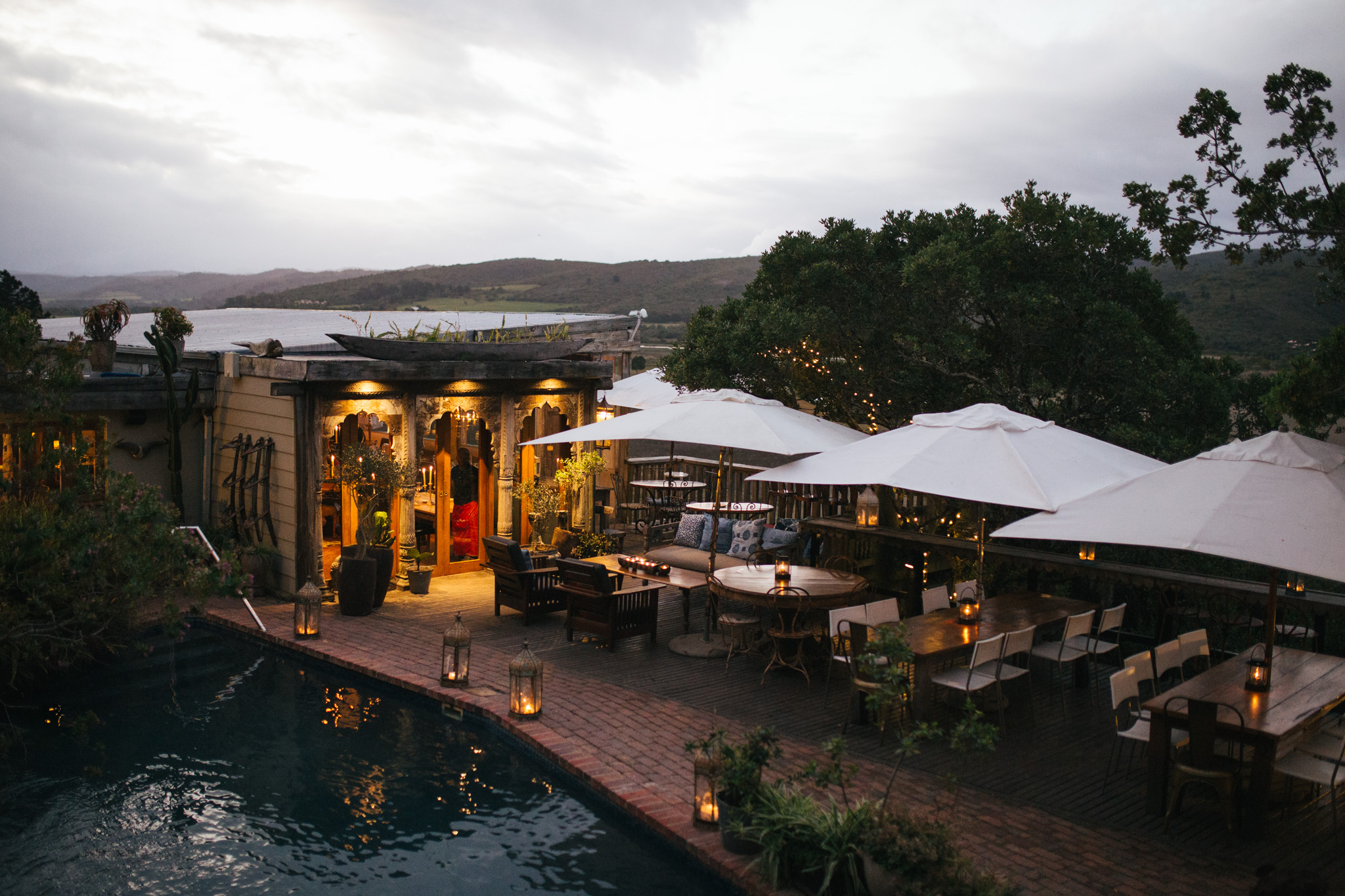
Tell us who is travelling and roughly when. A South Africa specialist will send a first itinerary within two working days — no obligation, no booking pressure.
Home/About
About Visit Garden RouteWe exist because travel should be more than movement. It should be connection — between people and places, between cultures, between generations.
For many international visitors, South Africa is reduced to a handful of familiar images: Table Mountain, a stretch of coastline, one afternoon in a game vehicle. Those experiences are extraordinary. They are also fragments.
Visit Garden Route was founded on a single observation: the most memorable part of a South African journey is usually the part nobody planned for. The lagoon at low tide. The forest road with nobody else on it. The guide who stopped, unprompted, because the light was right.
The Garden Route makes that possible in a way few places do. Six hundred kilometres of coast between Cape Town and the Eastern Cape, holding ocean, mountain, indigenous forest and big wildlife in one continuous line — with the infrastructure, safety and hospitality standards that make it comfortable for families travelling far from home.
We built the company for one traveller in particular: the Arab family who wants Africa, but wants it done properly.
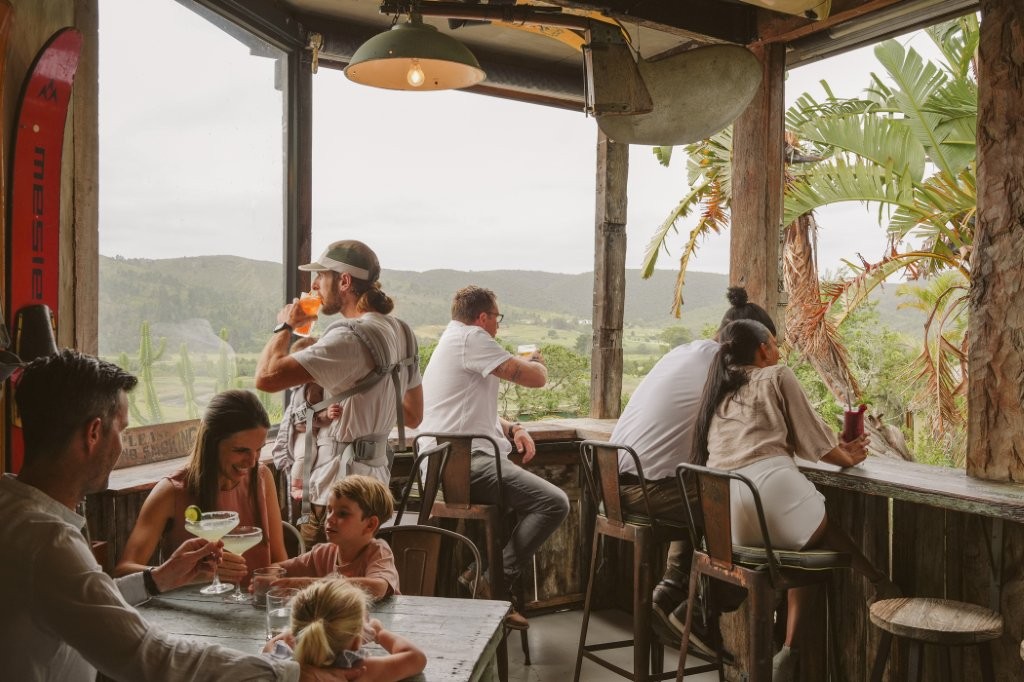
We are not trying to sell every destination in Africa. We are trying to own one journey completely: Cape Town to the Eastern Cape, for travellers from the Gulf and the wider Arab world.
That focus is deliberate. It means we know the lodges personally, the guides by name, and the road in every season. It means when something changes — weather, a closure, a child who needs an earlier night — we can rebuild the day without a call to head office.
Not a driver who speaks English. Someone who anticipates rather than reacts.
The itinerary is a framework. Your family sets the tempo.
Twenty minutes off the main road usually changes everything.
Dietary requirements handled quietly, before you have to ask.
The single most valuable thing we can engineer, and we plan for it deliberately.
Everything above is a byproduct of this one.
Founder, Visit Garden Route
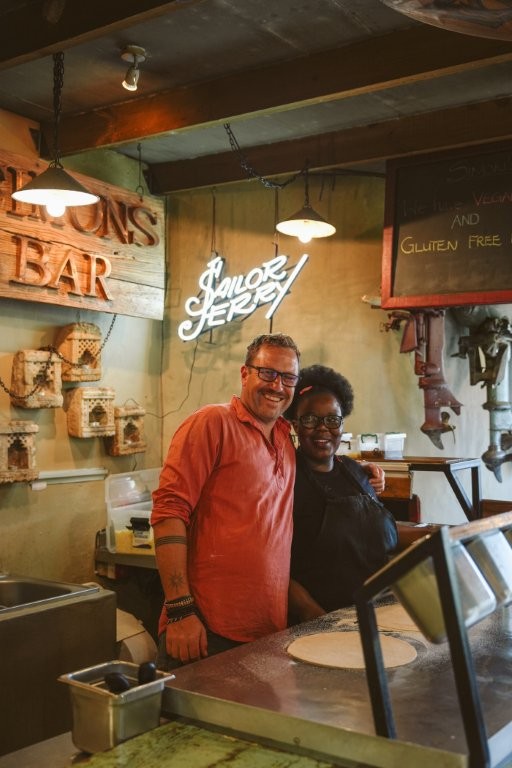
Alex trained as a chef in Cape Town, where a close friendship with a Turkish student — today one of Turkey’s most celebrated chefs — gave him a deep, lasting connection to Muslim food culture and hospitality, years before it became the foundation of this company.
Two decades later, after building his career across hotels and restaurants on three continents, that same instinct shapes every Visit Garden Route itinerary: hospitality that anticipates rather than reacts.
He is a family man, and plans for families accordingly — understanding what a long day actually costs a household, and why the pace of a journey matters more than the number of things in it.
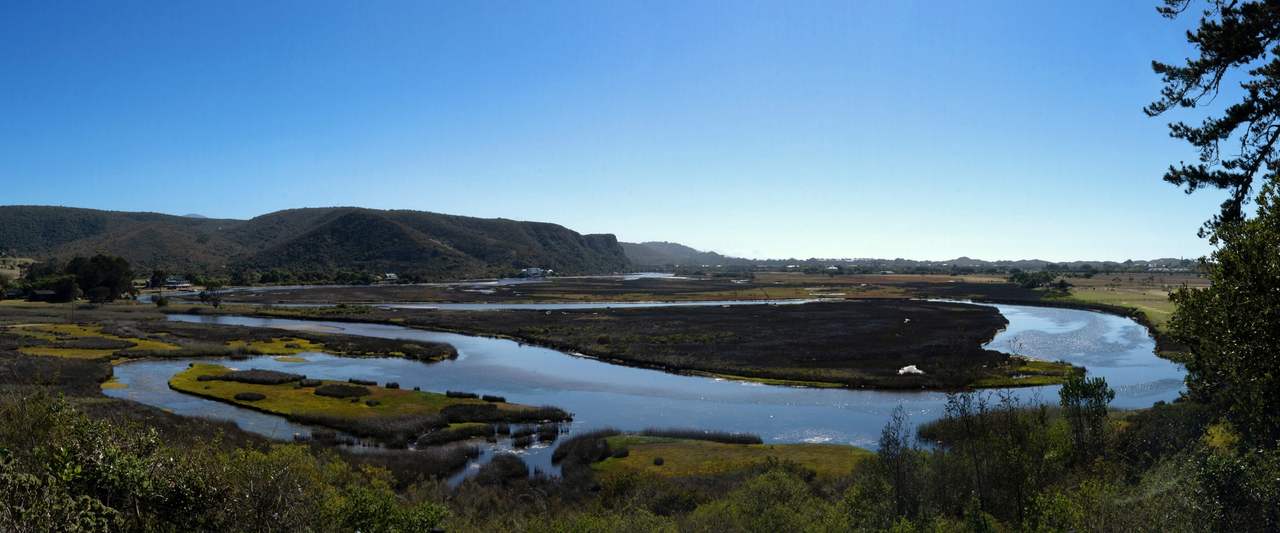
African ubuntu meets Arab hospitality.
Ubuntu — the belief that a person is a person through other people — is the closest South Africa has to a national philosophy. It rhymes with something Arab travellers recognise instinctively: that a guest is an honour, not a transaction.
That overlap is the whole company.
Home/Signature Journeys
Signature JourneysEach is private, guided and adjusted to your family before you travel. Days can be added, removed or reordered.
Cape Town to the Eastern Cape, in the order the coast intends. The city first, for confidence. Then the valley. Then the ocean. Then the forest. Then, at the end, the elephants.
This is the journey Visit Garden Route was built to run. It moves east with the landscape, and it is deliberately paced: two or three nights in most places, so that the days between the driving are actually yours.
From $8,000 per person
Based on two adults sharing, low season. Includes private vehicle and guide throughout, accommodation, park fees and listed experiences. Excludes international flights.
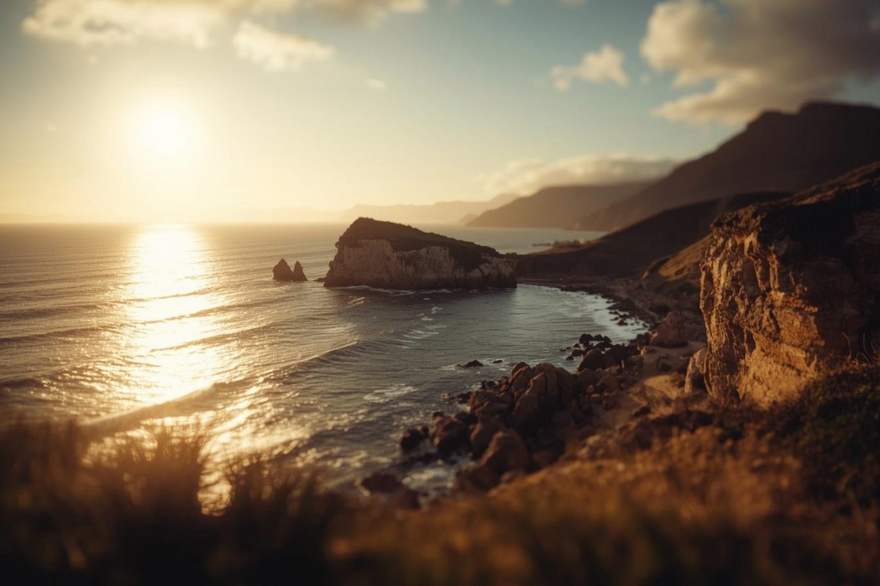
The gateway of wonders
The journey begins where the two oceans almost meet. Three nights to arrive properly, adjust, and see the city at its best: the mountain in the morning before the cloud, the peninsula in the afternoon, the waterfront at night.
A valley between mountains
An hour from the city to a valley enclosed by mountains on every side. Historic estates, first-rate kitchens, and private villas set among the vines. Alcohol-free experiences and halal-conscious dining are arranged here in advance.
The Whale Coast
From here the ocean is the constant companion. Between June and November, southern right whales calve close enough to the cliffs to be watched from land.
Forest, lagoon and beach
Knysna and Plettenberg Bay in one sequence. Forest and lagoon in the same day, long beaches, and the point at which most families slow down without being asked to.
The African finale
Every good story needs an ending. The Eastern Cape reserves are malaria-free, which is why we end here rather than flying north — families with young children can do a genuine Big Five safari without prophylactics.
A curated South African travel guide for guests from the Gulf states and Muslim-majority countries, focusing on luxury accommodation, private villas, scenic road trips, family-friendly experiences and halal-conscious dining.
Important dining note: Halal certification and alcohol-free facilities may change. Our travel team reconfirms certification, preparation areas, ingredients and restaurant availability before each booking.
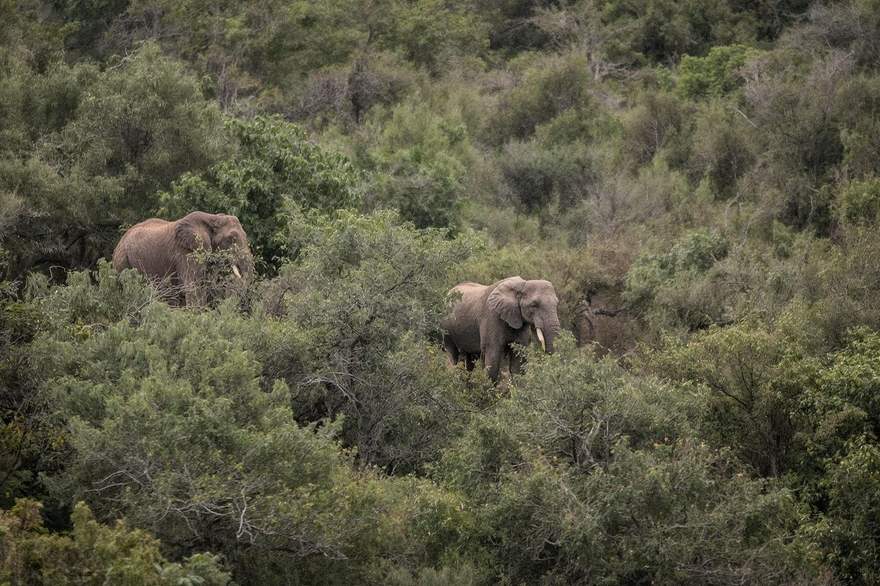
The journey ends where the elephants are.
Built backwards from the constraint that matters most: how long a child will sit in a car. No driving day longer than three hours, two-night minimums throughout, and at least one thing every day that a seven-year-old would choose themselves.
Cape Town → Franschhoek → Hermanus → Garden Route → Eastern Cape safari. Connecting rooms or family villas at every stop, children’s menus arranged in advance, and a guide who is genuinely good with children — which is a specific skill, and one we select for.
From $6,400 per person
The same coast, emptier. Smaller properties, later starts, and dinners arranged in places that hold six tables rather than sixty. Where the family journey adds activity, this one removes it.
Cape Town → Franschhoek → Hermanus → Garden Route → Eastern Cape safari, with private guiding throughout and two evenings kept deliberately unplanned.
From $7,400 per person
For larger family parties, longer stays, or itineraries that extend beyond the Garden Route — the Cape Peninsula, a Kruger extension, Victoria Falls. We start with a conversation rather than a template.
Typically eight to twenty-one days. Multi-generational groups of up to sixteen travellers can be accommodated with multiple vehicles and a lead guide.
Priced on request
Most families end up somewhere between two of these. Tell us who is travelling and we will tell you honestly which shape works — or design a fourth.
Home/Destinations
DestinationsCape Town to the Eastern Cape is roughly 750 kilometres. What changes along it is not just the scenery — it is the pace.
The African Welcome
A city held between a flat-topped mountain and two oceans, with the infrastructure of a European capital and the light of somewhere much further south. For a family arriving from the Gulf, it is the gentlest possible introduction to the continent.
Three nights is the minimum that works. The mountain needs a clear morning, the peninsula needs a whole afternoon, and the city itself — the Bo-Kaap, the waterfront, the Company’s Garden — deserves an unhurried day.
Good to know: Cape Town has one of the largest Muslim communities in South Africa, with mosques throughout the city bowl and a long-established halal dining scene.

A Valley Between Mountains
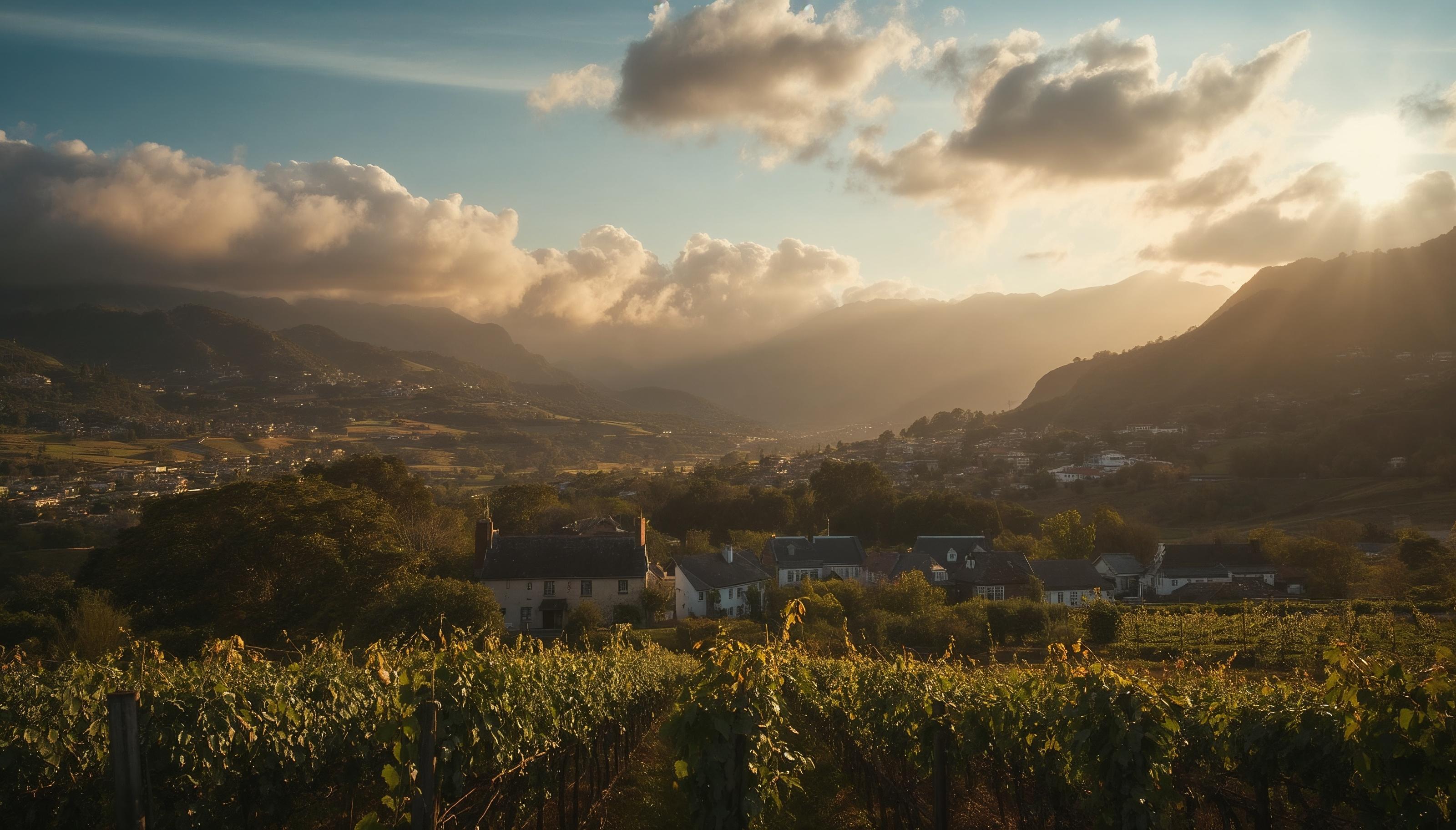
One hour east of Cape Town, a valley opens up, enclosed by mountains on every side. Historic estates, formal gardens, and private villas set among the vines — the gentlest possible shift in gear after the city days.
The valley is known first for its kitchens. We arrange alcohol-free, halal-conscious dining in advance, confirming preparation areas and ingredients with each kitchen before you arrive.
Good to know: Two nights is the right amount — one day for the valley itself, and one with nothing scheduled at all.
The Whale Coast
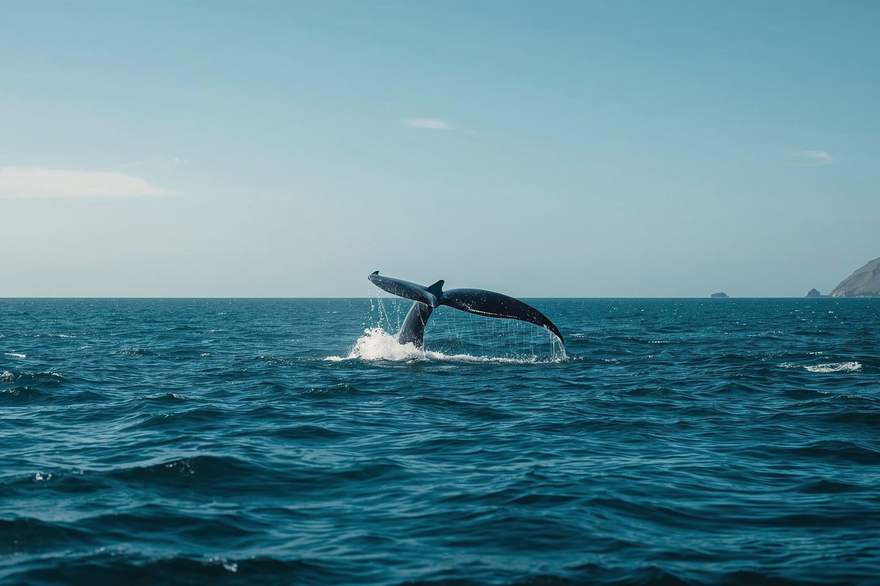
East of the city the buildings stop and the cliffs begin. This is the stretch where travellers start to understand the scale of the country — a two-hour drive with almost nothing on either side but mountain and sea.
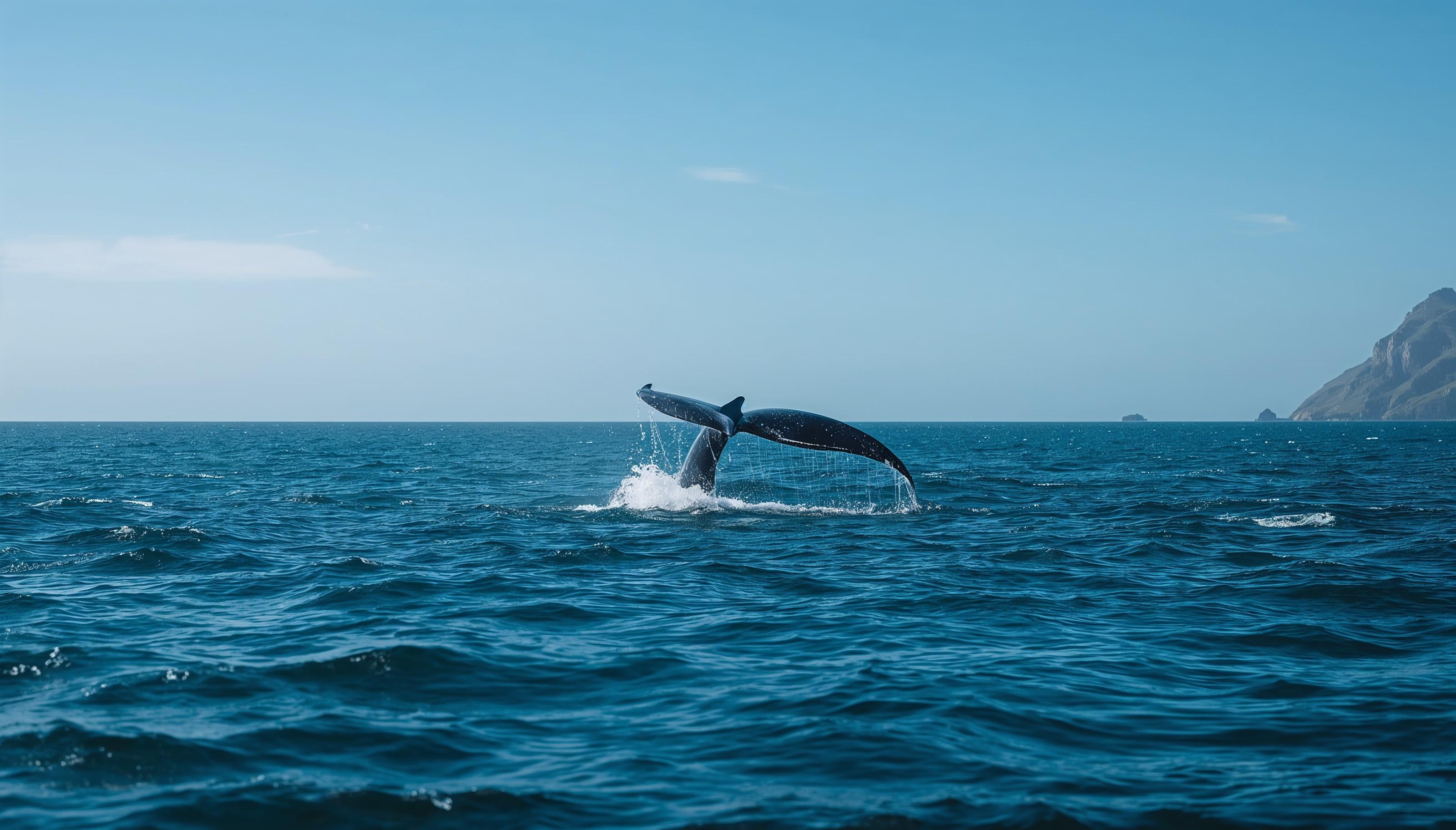
Between June and November, southern right whales come into the bays here to calve, close enough to be watched from a clifftop path without a boat. It is one of the best land-based whale watching coastlines in the world.
Good to know: Whale season peaks in September and October. Outside those months the coast is quieter and the walking is better.
The Heart Of The Garden Route
A lagoon that opens to the sea through two sandstone cliffs, with indigenous forest rising directly behind the town. Knysna is the emotional centre of the route and the place families most often ask to extend.
The forest is the reason. Yellowwood trees several hundred years old, filtered green light, and paths quiet enough that the loudest thing is usually a bird. Forty minutes later you can be on a boat in the lagoon.
Good to know: Knysna is our home base. If anything needs solving mid-journey, this is where it gets solved fastest.
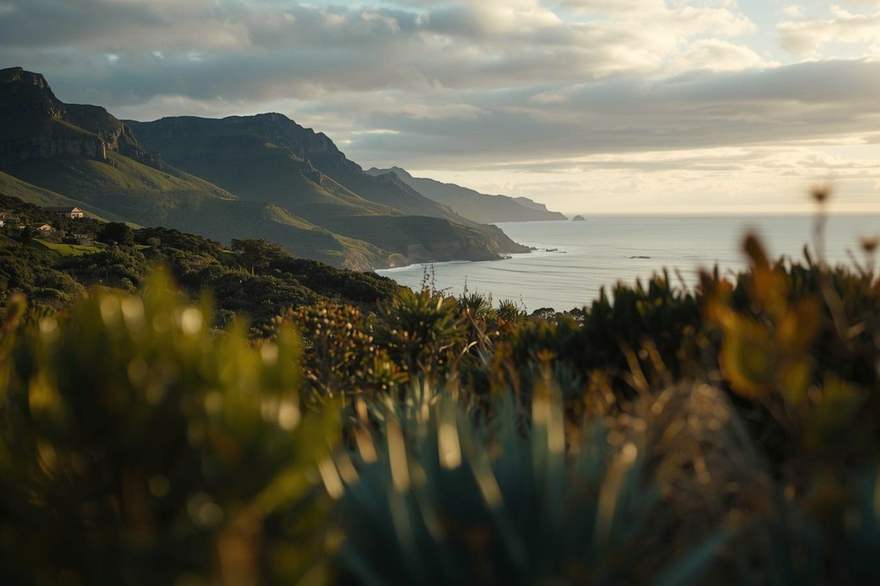
Water, reeds, forest, sea — within a single afternoon.
Coastal Elegance
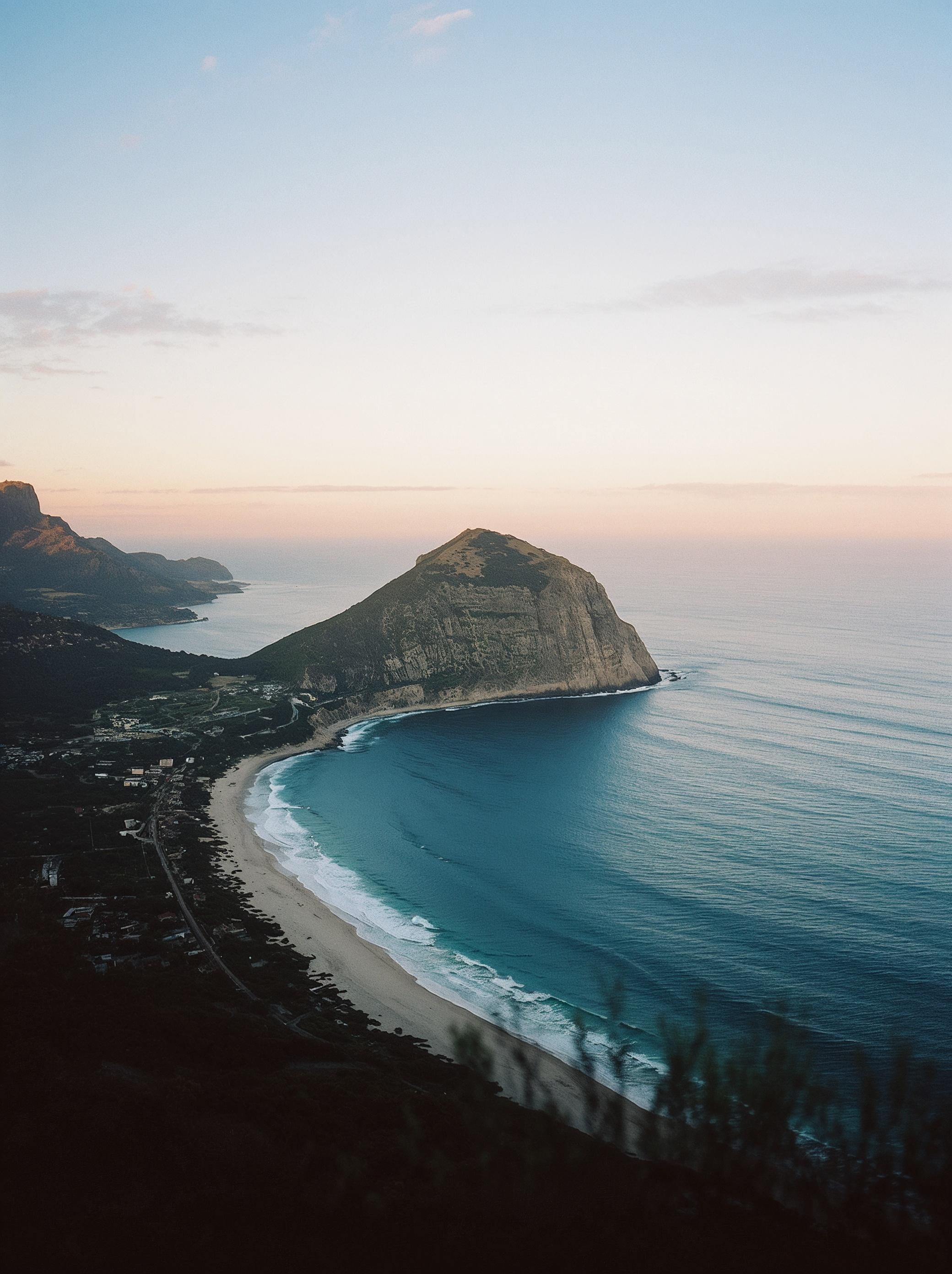
The most refined address on the route, and the natural place to build in a rest day. Long protected beaches, calm swimming water, and the Robberg Peninsula — a nature reserve on a rock finger reaching four kilometres into the sea, with a seal colony at the end of it.
By this point, most families have seen a great deal. Plettenberg Bay is where the journey stops asking anything of you.
Good to know: The Robberg walk has three route lengths. The shortest is under an hour and entirely manageable with children.
The African Finale
The Eastern Cape reserves hold elephant herds numbering more than six hundred and — the detail that matters most for families — are malaria-free. Children can do a genuine Big Five safari here without prophylactic medication.
Two full days allows for four game drives: two at sunrise, two in the last light. That is when the reserves are at their best, and it is when the moment happens that the whole journey has been building toward.
Good to know: The reserves are roughly two hours from Port Elizabeth (Gqeberha) airport, which makes it a clean end point — fly out from there rather than driving back west.
We arrange the whole route as a single journey with one guide, one vehicle and one point of contact — not six separate bookings.
Home/Travel Journal
Travel JournalPractical guidance, seasonal advice and the questions Arab families ask us most often before they travel.
South Africa is closer to the Gulf than many families realise. But convenience is only the beginning.
The Garden Route is not a road you drive. It is a sequence — and the order matters.
Month by month, for weather, whales, school holidays and Ramadan — and why September may be the quiet answer.
Stay longer. Drive less. Experience more.
In Cape Town, Islam has been part of the city's story for more than three centuries.
Ask a specialist directly. We answer planning questions whether or not you end up travelling with us.
South Africa is closer to the Gulf than many families realise. From Dubai, a nonstop flight to Cape Town takes around 9,5 hours, while the time difference is only one to two hours depending on the Gulf country.
But convenience is only the beginning.
For Arab families looking for a luxury holiday that works across generations, South Africa offers something unusually complete: sophisticated hospitality, extraordinary scenery, excellent food, wildlife, beaches, culture and the freedom to create a journey around the family rather than around a fixed tour.
And that is where South Africa becomes interesting.
For families travelling from the Gulf, South Africa has an important advantage: the journey does not require adapting to a dramatically different time zone.
Cape Town sits only two hours behind Dubai and one hour behind Saudi Arabia and Qatar. The southern hemisphere also turns the conventional holiday calendar upside down. When winter arrives in the Gulf and much of Europe, South Africa is entering its summer.
That makes December, January and February particularly attractive for families looking to escape colder northern destinations and enjoy long days outdoors.
And once you arrive, the geography does much of the work.
A family journey through South Africa does not need to feel like a conventional sightseeing itinerary.
Start in Cape Town, where families can combine the ocean, Table Mountain, the V&A Waterfront, beaches, food and the cultural history of the Bo-Kaap.
Then slow the pace in Franschhoek before continuing towards the Garden Route.
Around Knysna and Plettenberg Bay, the journey changes character again: forests, beaches, lagoons, private experiences and beautiful coastal landscapes replace the energy of the city.
Further east, the journey can culminate in a private safari in the Eastern Cape.
The attraction is not simply that there is a lot to see. It is that each generation can find its own reason to enjoy the same journey.
Grandparents can have time and comfort. Parents can have exceptional food and scenery. Children can experience wildlife and adventure. And everyone can share the same moments without following the same rhythm every day.
Travel becomes much more enjoyable when families do not have to solve basic questions every morning.
Cape Town has a long-established Muslim community and a substantial halal dining scene. Cape Town Tourism currently lists a broad range of halal-certified and halal-friendly restaurants, from casual family dining to fine dining, alongside Muslim heritage experiences and prayer facilities.
The city also offers something more meaningful than simply finding halal food: Cape Malay culture is part of Cape Town's identity.
For a Gulf family, that creates an opportunity to experience South Africa through food, history and people rather than simply checking attractions off a list.
The same principle should continue throughout the journey. For a premium family itinerary, accommodation, dining, transport and activities should be considered together, with dietary requirements, privacy, prayer times, room configurations and family preferences incorporated from the beginning.
That is where thoughtful hospitality makes the difference.
The Garden Route is particularly well suited to families because it allows a journey to breathe.
Instead of moving from one major attraction to another, families can spend several nights in places such as Knysna or Plettenberg Bay, using a beautiful property as a base for exploring the surrounding landscape.
The region also sits within a malaria-free area. SANParks confirms that the Garden Route National Park is malaria-free, while the Eastern Cape is also officially described as malaria-free.
For families considering safari, that can be an important practical consideration. South Africa Tourism specifically highlights malaria-free reserves as family-friendly safari options, including reserves in the Eastern Cape.
The result is a rare combination: a genuine African safari without having to make the entire holiday about safari.
For Gulf families, luxury is not necessarily about adding more to an itinerary.
It is about removing friction.
A private transfer waiting at the airport. A hotel prepared correctly for a family of three generations. A villa where everyone can spend time together but still have privacy. A restaurant selected because it genuinely suits the family's dietary preferences. A guide who understands that the children may need a slower morning while the grandparents prefer a relaxed afternoon.
This is why hospitality should not be treated as an extra service around a South African journey.
Hospitality is the journey.
The most memorable South African holidays are often created through the details between the headline experiences: the welcome at a lodge, breakfast overlooking the ocean, an afternoon with no plans, a private dinner, a guide who knows when to explain and when simply to let the family enjoy the moment.
Perhaps the strongest reason for Arab families to discover South Africa is that it does not have to feel like a standard luxury package.
A family can spend a few days in Cape Town, continue through the Garden Route, pause in Knysna or Plettenberg Bay, and finish with a private safari in the Eastern Cape.
The exact balance can change according to the family.
More privacy. More beach time. More food. More nature. More adventure. Fewer hotel changes.
That flexibility is particularly valuable when travelling with several generations.
South Africa is not simply a destination to visit. It is a destination that can be shaped around the people travelling.
And for a family accustomed to warm hospitality, privacy and thoughtful service, that may ultimately be its greatest luxury.
Yes. South Africa combines sophisticated hospitality, family-friendly experiences, halal dining options, Muslim heritage and malaria-free safari regions.
Not especially by long-haul standards. A nonstop Dubai–Cape Town flight currently takes approximately 9.5 hours.
Yes. Cape Town Tourism for example lists numerous halal-certified and halal-friendly restaurants across the city. Even regular supermarkets across the country offer halal-certified products.
Yes. The Eastern Cape offers malaria-free safari options, including family-friendly Big Five reserves. However, travelling Kruger can always be added to the trip.
Yes. Its combination of beaches, forests, coastal scenery and family-oriented activities makes it adaptable to different ages and interests. The Garden Route National Park is also located in a malaria-free area.
Both are key stops along the Garden Route, known for coastal scenery, beaches, nature and access to a range of outdoor experiences.
South Africa's summer runs approximately from December to February, making it an appealing northern-winter escape for Gulf families.
The Garden Route is not a road you drive. It is a sequence — and the order matters.
Stay longer. Drive less. Experience more.
In Cape Town, Islam has been part of the city's story for more than three centuries.
Month by month, for weather, whales, school holidays and Ramadan — and why September may be the quiet answer.
Ask a specialist directly. We answer planning questions whether or not you end up travelling with us.
The Garden Route is not a road you drive. It is a sequence — and the order matters.
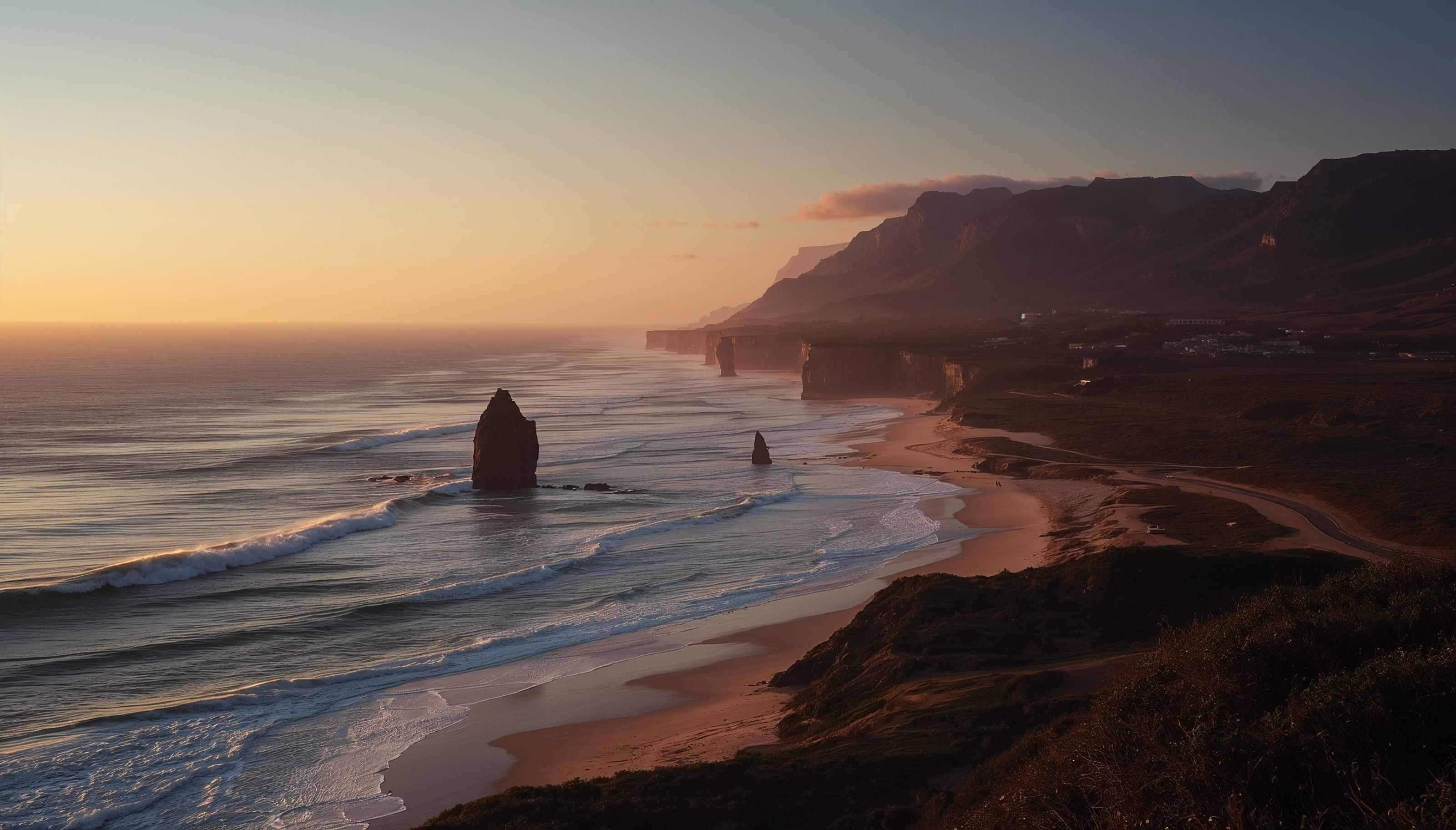
Each stop changes the pace of the one before it, so the journey builds instead of repeating. Three nights in Cape Town introduce the energy of South Africa. Two nights in Franschhoek slow everything down. Hermanus brings the ocean closer. Then the Garden Route opens into forest, lagoon and beach before the journey ends where it should: on safari in the Eastern Cape.
For families travelling from the Gulf, particularly across several generations, this is what makes South Africa so compelling. You are not simply collecting destinations. You are moving through completely different landscapes, experiences and rhythms without constantly starting the holiday again.
The result is a 12-night journey that feels varied without feeling rushed.
Every great South African journey needs a strong beginning, and Cape Town provides one.
The city brings together the ocean, mountains, beaches, culture, food and some of the country's most recognisable landscapes. It is energetic enough to feel exciting after a long-haul flight, but easy enough to explore at your own pace.
For Arab and Gulf families, Cape Town also offers an important sense of familiarity. The city has a long-established Muslim community, a rich Cape Malay heritage and a well-developed halal dining scene.
But the real reason to begin here is emotional: Cape Town is where South Africa first announces itself.
Table Mountain. The Atlantic. The colourful streets of Bo-Kaap. A long lunch overlooking the water. A private guide who knows when to explain and when to simply let the family take in the view.
After three nights, you should feel that the holiday has properly begun.
Then the pace changes. Just as Cape Town begins to feel familiar, the road leaves the city behind and moves into the Winelands.
Franschhoek is not about ticking another destination off the list. It is about slowing down.
Surrounded by mountains, vineyards and historic Cape Dutch architecture, the valley creates a completely different atmosphere from Cape Town. Mornings become longer. Lunch becomes an occasion. An afternoon can be spent at the property rather than in the car.
For a luxury family journey, this change of rhythm matters.
Not every day needs an activity. Sometimes the luxury is simply having a beautiful place to return to, enough space for everyone to relax, and nowhere you need to be until dinner.
That is the role Franschhoek plays in the journey.
Cape Town introduces South Africa. Franschhoek lets you settle into it.
From the mountains, the journey turns towards the sea. Hermanus sits on the coast south-east of Cape Town and brings another change in atmosphere: open ocean, dramatic cliffs, beaches and a sense of space.
It is also a place where the journey can become more experiential. Depending on the season, whale watching becomes a natural part of the stay, while the coastline itself is reason enough to slow down.
But Hermanus has another role in this itinerary. It prevents the journey from becoming a simple transfer from the Winelands to the Garden Route.
Instead, the family experiences a clear progression: city → mountains → ocean
That progression is important. It means that by the time you reach the Garden Route, the landscape feels like another chapter rather than more of the same.
This is where the journey changes again. The Garden Route is often presented as a collection of towns: Mossel Bay, Wilderness, Knysna, Plettenberg Bay, Tsitsikamma.
But that is not really what makes it special. The Garden Route National Park itself encompasses the Wilderness, Knysna and Tsitsikamma sections, bringing together indigenous forests, lagoons, rivers, mountains and rugged coastline.
With only three nights, the answer is not to sleep in every town. It is to choose a beautiful base and experience the landscape around it.
Wilderness introduces the softer side of the Garden Route. Lakes, rivers, indigenous forest and coastline create an environment that is noticeably quieter than the destinations that came before it. The Wilderness section lies close to the N2 and only around 15 km from George, making it particularly accessible without requiring a long detour.
This is the place for a slower morning.
A boat on the water. A forest walk. Time at the beach. Lunch without looking at the clock.
The Garden Route begins to feel less like a road trip and more like a holiday.
Then comes Knysna. The landscape changes again as the lagoon and surrounding forests become the defining features.
Knysna is approximately 500 km from Cape Town and sits close to the geographical centre of the Garden Route. For families, this is one of the great advantages of the region: there is no requirement for everyone to do the same thing.
One generation can take a relaxed boat trip. Another can explore the forest. Children can have their own adventure. Others may simply prefer a long breakfast and an afternoon at the property.
The forest itself is worth taking seriously. SANParks offers accessible forest experiences alongside more demanding hikes, including short walks around some of the region's ancient yellowwood trees.
Further east, the landscape opens towards Plettenberg Bay. Here the emphasis shifts towards beaches, coastline and the feeling of a classic South African seaside escape.
And because Knysna and Plettenberg Bay are relatively close, there is no need to treat them as completely separate chapters requiring another hotel change.
That is an important distinction for a luxury itinerary.
You are not trying to sleep everywhere you visit. You are choosing the right place to stay and allowing the surrounding region to become part of the experience.
Then comes the most dramatic landscape of the Garden Route.
Tsitsikamma combines indigenous forest with a rugged coastline and deep river gorges leading towards the sea. The national park protects approximately 80 km of rocky coastline and is home to one of the region's most distinctive landscapes.
The famous Storms River Mouth is particularly suited to a family journey because you do not have to undertake a demanding hike to experience it.
The Mouth Trail is approximately 2 km and takes around an hour, leading through indigenous forest towards the Storms River suspension bridge. For those who want more adventure, the region offers considerably more ambitious trails and activities.
But the point is not to do everything. It is to experience the moment when the Garden Route reaches its most dramatic form: forest → cliffs → ocean.
After the city, mountains, vineyards, coast, forests and beaches, the journey moves inland and the experience changes one final time.
Now there is space.
Wildlife.
Early mornings.
The anticipation of a game drive.
And the extraordinary feeling of watching a child see a wild animal in its natural environment for the first time. For a family, this is more than another activity. It gives the entire journey a natural conclusion.
The first days introduced South Africa through its people, food, cities and landscapes. The final days reveal something more primal.
This is the African finale.
And for families travelling from the Gulf, the Eastern Cape can also be particularly attractive because there are safari options in malaria-free areas.
The real luxury of this journey is not the number of destinations. It is the contrast between them.
Cape Town gives you energy.
Franschhoek gives you space.
Hermanus gives you the ocean.
The Garden Route gives you nature.
The Eastern Cape gives you wildlife.
Each stop prepares you for the next one. That is why the journey works better as a sequence than as a checklist. You are not simply driving from Cape Town to Addo.
You are gradually moving from city to landscape, landscape to nature, and nature to wilderness.
South Africa is closer to the Gulf than many families realise. But convenience is only the beginning.
Stay longer. Drive less. Experience more.
In Cape Town, Islam has been part of the city's story for more than three centuries.
Month by month, for weather, whales, school holidays and Ramadan — and why September may be the quiet answer.
Ask a specialist directly. We answer planning questions whether or not you end up travelling with us.
The Garden Route is surprisingly compact in the places that matter most.
SANParks places the Knysna section around 500 km from Cape Town and the Tsitsikamma section around 615 km from Cape Town, with Tsitsikamma approximately 68 km from Plettenberg Bay. That makes it tempting to keep moving.
But the Garden Route rewards the opposite approach.
Stay longer. Drive less. Experience more.
A three-night Garden Route stay should not become three different hotels.
For a multi-generational family, constant packing and unpacking is the opposite of luxury.
The better approach is to select a property that works as a base for the family and then build experiences around it. That could mean a morning in the forest, lunch overlooking the lagoon, an afternoon at the beach and dinner back at the property.
The destination becomes more enjoyable precisely because you are not constantly leaving it.
The biggest mistake can happen after the Garden Route. Too many itineraries treat safari as something to squeeze into the final day because, after all, you are in South Africa.
But safari deserves a different role. It should be the finale.
For Arab and Gulf families, particularly multi-generational groups, this style of journey has another advantage: it leaves room for the family itself.
Not every day needs to be full. Not every experience needs to involve everyone.
A grandparent can enjoy the property while the younger members of the family go out for an activity. Parents can have a private dinner. Children can spend the morning exploring. The family can come back together in the afternoon. That is what good hospitality should make possible.
The itinerary should adapt to the family, not the other way around. And this is ultimately why South Africa works so well as a premium family destination. It offers extraordinary experiences, but it also gives you enough space between those experiences to actually enjoy them.
The best Garden Route itinerary is not the one that covers the most ground. It is the one in which every stage feels different, every hotel has a purpose, and the journey gets better as it goes.
And by the time you reach the Eastern Cape, you are not simply finishing a road trip. You have arrived at the African finale.
South Africa is closer to the Gulf than many families realise. But convenience is only the beginning.
The Garden Route is not a road you drive. It is a sequence — and the order matters.
In Cape Town, Islam has been part of the city's story for more than three centuries.
Month by month, for weather, whales, school holidays and Ramadan — and why September may be the quiet answer.
Ask a specialist directly. We answer planning questions whether or not you end up travelling with us.
South Africa may not be the first destination that comes to mind when you think about Islamic heritage. Yet in Cape Town, Islam has been part of the city's story for more than three centuries.
Its history can be found in the mosques of the Bo-Kaap, the tombs of early Muslim scholars, the traditions of Cape Malay cuisine and the communities that have preserved their faith and culture across generations.
For visitors from the Gulf, discovering this heritage offers a different way to experience South Africa. It turns a visit to Cape Town from simply seeing Table Mountain and the Atlantic into an opportunity to understand one of the country's oldest cultural stories.
And importantly, this is not a history that exists only in museums: It is living heritage.
Islam arrived at the Cape during the early period of Dutch colonial rule, through enslaved people, political exiles and other individuals brought from parts of Southeast Asia, South Asia and the wider Indian Ocean world.
Historical sources trace some of the earliest Muslim arrivals to people brought by the Dutch East India Company from places including India, Indonesia and Madagascar. Islam subsequently became established within Cape communities, despite restrictions placed on Muslim religious practice during the colonial period.
One of the most important figures in this early history was Shaykh Yusuf of Macassar.
He arrived at the Cape in 1694 after being exiled by the Dutch East India Company. He was accompanied by family members and followers, and was eventually settled at Zandvliet, near the Eerste River. His presence helped establish a gathering point for Muslims at the Cape, and he is widely regarded in South African historical sources as a founding figure in the development of Islam at the Cape.
Today, the area is known as Macassar, a name that preserves the connection to Shaykh Yusuf's place of origin. His kramat, or shrine, remains an important place of pilgrimage.
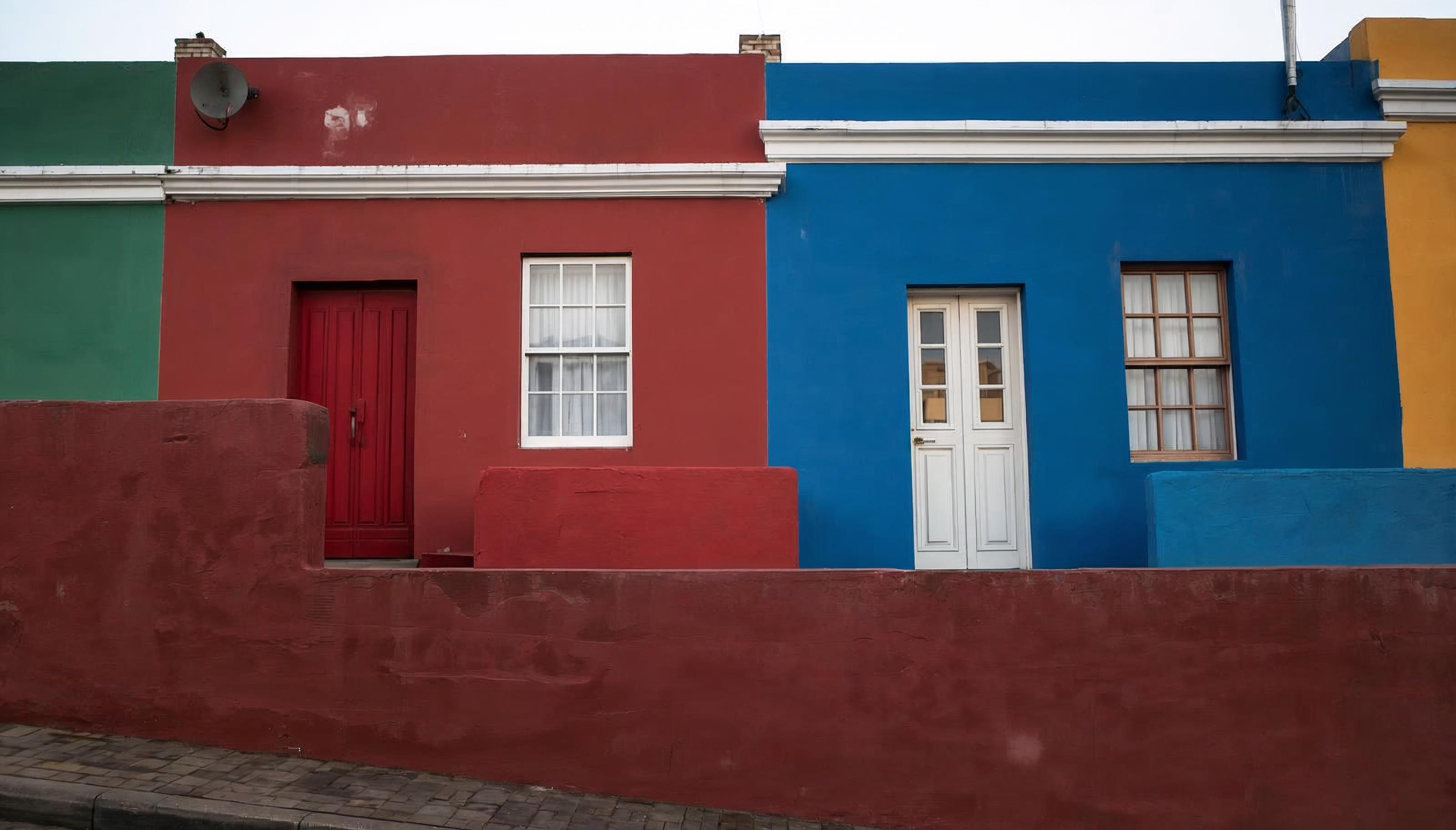
If there is one place where the Islamic heritage of South Africa becomes tangible, it is the Bo-Kaap. Perched on the slopes of Signal Hill above central Cape Town, the neighbourhood is known for its brightly coloured houses, cobbled streets and distinctive Cape Malay culture.
But the colours are only the surface. The deeper story begins in the eighteenth century, when houses were built and leased to enslaved people brought to the Cape from places including Malaysia and Indonesia. Over generations, the area became closely associated with Cape Muslim life.
Walking through the Bo-Kaap today, you encounter mosques, historic homes, shrines, community spaces and food traditions that connect the present with that history. For a visitor, this makes the neighbourhood particularly rewarding with a knowledgeable local guide.
Rather than simply photographing the colourful houses, you begin to understand why this place exists, who built its community and how Islam became woven into Cape Town's identity.
At the heart of this history stands Auwal Masjid on Dorp Street. Established in 1794, it is recognised by the City of Cape Town as the oldest mosque and madrassah in South Africa. The mosque is closely associated with Tuan Guru, an influential early Cape Muslim scholar and imam.
Its importance goes beyond its age. The mosque became a centre of Muslim communal and religious life at a time when Muslim worship was still subject to significant restrictions.
It therefore represents something larger than a historic building: the persistence of a community determined to maintain its faith and traditions. For visitors, a visit to Auwal Masjid can provide a powerful counterpoint to the more familiar Cape Town landmarks.
Table Mountain tells one story about the city.
Auwal Masjid tells another.
Together, they reveal how many different histories exist within the same landscape.
The story of Auwal Masjid is inseparable from Tuan Guru, one of the most important figures in Cape Muslim history.
Tuan Guru was an Indonesian political prisoner who became an imam and teacher in Cape Town. His religious scholarship helped establish Islamic education within the community, and Auwal Masjid became an important centre of learning.
The development of Islamic education mattered enormously because Islam was not preserved at the Cape simply through buildings. It was preserved through knowledge. Qur'anic teaching, religious instruction and community institutions allowed Islamic traditions to survive and develop across generations.
This is one reason the Islamic heritage of Cape Town feels so distinctive today. It is not simply architectural heritage. It is intellectual, religious, culinary and familial heritage.
Not far from the heart of the Bo-Kaap is Tana Baru, one of Cape Town's most significant Muslim burial grounds.
The site was granted as a Muslim cemetery in 1805, following the granting of religious freedom to Muslims at the Cape in 1804. Several prominent early Cape Muslim religious figures, including Tuan Guru, are associated with the cemetery.
The history of Tana Baru also illustrates the struggles faced by the Muslim community. When the cemetery was closed in 1886 under the Public Health Act, members of the community resisted the decision. Historical records describe a large gathering in January 1886 in defiance of the closure.
Today, Tana Baru remains a place of religious and historical significance. For Muslim travellers, it offers something that a conventional sightseeing itinerary cannot: a direct connection to the people who established and preserved Islam at the Cape.
One of the most enjoyable ways to experience Islamic heritage in South Africa is through food. Cape Malay cuisine is part of the legacy of the Muslim communities that developed at the Cape. Its flavours reflect the diverse origins of the people who were brought to the region, combining spices, cooking traditions and ingredients into a cuisine that became distinctly Cape.
Dishes such as bobotie, denningvleis, bredies, curries, samoosas and koesisters form part of this culinary tradition. Cape Town Tourism describes Cape Malay food as having roots in the arrival of enslaved people from Indonesia, Malaysia and East Africa during the colonial period.
For a visitor, food provides an unusually intimate way into history. A plate of Cape Malay food is not simply something to eat. It is part of the story of migration, faith, family and adaptation. And for Gulf travellers, it can also create an immediate cultural connection: familiar spices and halal traditions appearing in a distinctly South African setting.
Although Cape Town is the heart of South Africa's early Islamic heritage, the country's Muslim history extends beyond the Western Cape. Indian Muslim communities developed particularly strongly in parts of KwaZulu-Natal, while Muslim communities have also formed in other regions of the country.
The history is therefore not a single story of “Cape Malays”. It includes communities with roots in Southeast Asia, India, Africa and elsewhere, each contributing to the development of Islam in South Africa.
This diversity is important to understand. South African Islam is not simply an imported tradition that remained unchanged. It developed locally, shaped by the country's particular history and by generations of South African Muslims.
For travellers from the Gulf, Islamic heritage can add another layer to an itinerary that might otherwise focus primarily on scenery and wildlife. Imagine beginning in Cape Town with a private exploration of the Bo-Kaap.
Instead of simply visiting the colourful streets, you meet a local guide who can explain the history of the neighbourhood, visit its historic mosque heritage and introduce you to Cape Malay food.
Then the journey continues. From Cape Town, you travel into the Winelands and onward to Hermanus before following the Garden Route through forest, lagoon and coastline. Finally, the journey ends with safari in the Eastern Cape. The Islamic heritage experience does not need to dominate the entire holiday.
It can be one meaningful thread woven through a much larger South African story. That is often the most natural way to experience it.
For multi-generational families, cultural experiences work best when they are not treated like school lessons. The Bo-Kaap is a good example.
Older generations may appreciate the historical and religious context. Younger travellers may connect first with the architecture, food and stories. Children can experience the neighbourhood through a personal guide rather than a museum label.
The experience becomes shared. And that is particularly important in luxury family travel. A well-designed cultural experience should not simply provide information. It should create a moment that the family remembers together.
A conversation over a Cape Malay meal. A story about a scholar who arrived at the Cape centuries ago. The call to prayer heard among the historic streets. A guide explaining how a community preserved its identity through generations. These are the moments that turn cultural tourism into something more personal.
South Africa is closer to the Gulf than many families realise. But convenience is only the beginning.
The Garden Route is not a road you drive. It is a sequence — and the order matters.
Stay longer. Drive less. Experience more.
Month by month, for weather, whales, school holidays and Ramadan — and why September may be the quiet answer.
Ask a specialist directly. We answer planning questions whether or not you end up travelling with us.
Month by month, for weather, whales, school holidays and Ramadan — and why September may be the quiet answer.
South Africa is one of those destinations where there is no single “best” month for everyone. The right time depends on what you want the journey to feel like.
Do you want warm summer days in Cape Town? Whales along the coast? Green landscapes and quieter lodges? A family holiday during school break? Or are you looking for the rare combination of good weather, wildlife, manageable crowds and the freedom to travel at your own pace?
For families travelling from the Gulf, there is another consideration: the timing of Ramadan and school holidays can be just as important as the weather.
For a first luxury journey combining Cape Town, Franschhoek, Hermanus, the Garden Route and an Eastern Cape safari, September stands out as an especially interesting month. It brings the beginning of spring to the Cape, whale season along the coast, increasingly good conditions for safari and, outside the main South African summer holiday period, a quieter rhythm.
But September is not the only answer.
Here is how South Africa changes throughout the year.
For a journey combining Cape Town, the Winelands, Hermanus, the Garden Route and safari, September to October and March to April are particularly attractive shoulder-season periods.
September offers spring landscapes, whale watching and increasingly favourable safari conditions, while avoiding the peak of South Africa's summer holiday season. South African Tourism specifically identifies the beginning of September through October as one of the best periods for Cape Town.
However, the ideal month changes depending on your priorities:
| If your priority is... | Consider |
|---|---|
| Cape Town weather | September–October or March–April |
| Whale watching | June–October, with the strongest reason to consider September |
| Garden Route road trip | September–April |
| Safari and wildlife | Dry-season periods, particularly later winter into spring |
| Escaping Gulf summer | May–September |
| Christmas and New Year | December–January |
| Quieter travel | September, October or April |
| Travelling during Ramadan | Check the exact year's dates before booking |
| Multi-generational family travel | September–October or April |
The important point is that South Africa is a year-round destination, but different regions have different seasons.
January is the heart of summer.
For travellers from the Gulf, that makes South Africa particularly appealing because the seasons are reversed: while the northern hemisphere is in winter, South Africa is enjoying summer. South African Tourism describes summer as running broadly from November to February, with average daytime temperatures nationally ranging from around 15°C to 28°C depending on location.
Cape Town can be warm and vibrant, the Garden Route is firmly in its outdoor season, and the Winelands are alive with summer energy.
The trade-off is demand. January falls within the main South African summer holiday period, so popular hotels, villas and experiences can be busy and need to be planned well in advance.
February retains the warmth of summer but begins to feel slightly less like the height of the holiday season. For travellers who want beaches, outdoor experiences and warm days without necessarily travelling over Christmas and New Year, it can be an appealing month.
It is also increasingly relevant to Muslim travellers because Ramadan moves through the Gregorian calendar. In 2027, Ramadan is currently expected to begin around 8 February and Eid al-Fitr around 10 March, although Islamic dates remain subject to moon sighting.
That makes February a month where itinerary planning should consider not just weather, but also the experience you want during Ramadan.
March is one of the more interesting transition months. The intense summer holiday period has passed, temperatures begin to moderate, and the landscapes of the Cape remain attractive.
For a luxury itinerary, this can be an excellent time to slow the pace: three nights in Cape Town, two in Franschhoek, two in Hermanus, three in the Garden Route and a final safari stay can feel particularly comfortable when the emphasis is on experiences rather than simply maximising activities.
April is often overlooked. That is precisely why it can be so appealing. The heat of summer has eased, autumn begins to appear in the Cape, and the country can feel less pressured than during the December and January peak.
South African Tourism identifies April and May among the strongest periods for Cape Town, noting the relief from summer heat and the changing colours of the Winelands.
For a journey through Cape Town → Franschhoek → Hermanus → Garden Route → Eastern Cape Safari, April also offers a particularly elegant rhythm.
The city is comfortable. The Winelands are entering autumn. The coast remains attractive. And the journey can finish with safari without having to build the entire trip around peak summer.
May marks the beginning of the cooler season in much of South Africa. In Cape Town, this means the possibility of wetter weather as winter approaches. South African Tourism describes Cape Town winters as characterised by wet and windy spells associated with cold fronts. But May is not a month to dismiss.
For travellers primarily interested in wildlife and safari, the transition towards drier conditions can be attractive, while the cooler temperatures can make outdoor activities more comfortable. Along the Cape coast, the whale season is also beginning.
June is winter in South Africa. In Cape Town and the Western Cape, that can mean rain, wind and cooler days. But June also marks the beginning of one of the country's most remarkable coastal wildlife seasons.
Southern right whales come into the Cape waters to breed and calve. South African Tourism describes the Cape Whale Route as a family-friendly experience, with whales generally present from June into October.
For a family travelling through Hermanus, this creates a very different kind of experience from safari. Instead of searching the horizon across the bush, you look out across the ocean.
July continues the winter season. If your itinerary includes safari, this can be an excellent time for wildlife viewing in the traditionally drier safari regions. South African Tourism notes that late winter is popular for game viewing because vegetation becomes sparser and animals are more likely to gather around water sources.
But the Western Cape is a different story. Cape Town's winter can be wet and windy, so a July itinerary should be designed with flexibility and indoor alternatives rather than assuming every day will be sunny.
August is the bridge between winter and spring. The Cape can still experience winter weather, but signs of spring begin appearing across the Western Cape.
For families who want to combine safari with the Garden Route and Hermanus, August can work particularly well if the itinerary is designed around the experiences rather than a promise of perfect weather every day.
The whale season continues, while safari remains attractive in drier regions.
If there is one month worth looking at more closely, it is September. Not because it is universally the best month to visit South Africa. It is not. But because for the particular journey many Gulf families are looking for, September brings several desirable elements together.
Cape Town enters spring. South African Tourism specifically recommends the beginning of September through October for Cape Town and highlights spring flowers as one of the season's attractions.
Hermanus is in whale season. Southern right whales come into Cape waters from June through October, and September is one of the most recognised periods for experiencing the Cape Whale Route.
The Garden Route is entering its spring season, bringing a combination of coast, forest and outdoor experiences.
And safari conditions are beginning to improve in traditionally dry regions as winter gives way to spring. South African Tourism notes that the dry season is associated with thinner vegetation and stronger wildlife viewing conditions.
There is also another advantage: September sits outside the main December–January South African summer holiday period. For families seeking a more relaxed luxury experience, that matters. You can take your time. You can stay in the places you actually want to stay.
And you can build a journey around private experiences rather than simply following the busiest calendar.
For a first South African journey from the Gulf, September deserves to be one of the first months you investigate.
October continues the spring transition. Whales remain a possibility along the Cape coast, while the Garden Route is increasingly suited to outdoor activities.
Cape Town is also within the spring period recommended by South African Tourism. For families, October can be particularly attractive because the journey does not have to revolve around a single experience.
One day might be Table Mountain. The next might be a relaxed morning in Franschhoek. Then Hermanus. Then forest, lagoon and beach along the Garden Route. And finally safari.
November is the beginning of the warmer summer season. The days become longer, temperatures rise and the country starts preparing for the December holiday period.
This can be a beautiful time to travel if you want to experience South Africa before the peak summer rush. For a luxury traveller, early November can therefore offer an appealing combination of good outdoor conditions and a more relaxed atmosphere than late December.
December is summer — and it is also one of the busiest periods of the year. For families travelling from the Gulf, the timing can be convenient because it aligns naturally with school holidays and the desire to escape winter in the northern hemisphere.
Cape Town, the Garden Route and coastal destinations become particularly lively. But luxury travel during December needs planning. The most desirable properties, private villas, guides and experiences can fill well in advance.
If Christmas and New Year are part of the plan, booking early is not simply about securing a room. It is about securing the right room, the right guide, the right transfers and the right experiences.
For Muslim travellers, Ramadan should be considered alongside the weather rather than treated as an afterthought. The Islamic calendar is lunar, so Ramadan moves approximately ten to eleven days earlier each Gregorian year. Dates are also subject to moon sighting.
Travelling during Ramadan does not mean South Africa should be ruled out. It simply means the itinerary should be designed differently.
For example:
This is where luxury travel planning makes a real difference. The question is not simply “Can you travel to South Africa during Ramadan?” It is “How should the journey be designed so that Ramadan remains comfortable and meaningful?”
For families, school holidays can be just as important as climate. South Africa's own school calendar creates several periods of increased domestic travel. The official 2026 calendar, for example, includes school breaks around late March/early April, late June/July and late September/early October, alongside the long December break.
For Gulf families, however, the relevant calendar is usually the one at home. That means the ideal travel month may depend on the school calendar in Saudi Arabia, the UAE, Qatar, Kuwait, Bahrain or Oman, rather than South Africa's calendar.
This is one reason there is no universal “best month”. A family travelling during a two-week school break may reasonably prioritise a different month from a couple with complete flexibility. The best itinerary is the one that combines your calendar with South Africa's calendar.
South Africa is closer to the Gulf than many families realise. But convenience is only the beginning.
The Garden Route is not a road you drive. It is a sequence — and the order matters.
Stay longer. Drive less. Experience more.
In Cape Town, Islam has been part of the city's story for more than three centuries.
Ask a specialist directly. We answer planning questions whether or not you end up travelling with us.
This policy explains how Visit Garden Route (Pty) Ltd handles personal information collected through this website, by email and by WhatsApp. We process personal information in line with South Africa’s Protection of Personal Information Act (POPIA) and, where it applies to you, the EU General Data Protection Regulation.
Visit Garden Route (Pty) Ltd, Registration No. 2026/647782/07, Director: Ernest Alexander Olivier, 1 Rietvlei Road, Emily Moon River Lodge, Plettenberg Bay, Western Cape 6600, South Africa. Contact: journeys@visit-gardenroute.co.za.
You decide what to share. Name, email address and travel dates are needed for us to prepare a proposal; without them we cannot reply to your enquiry. Everything else is optional, though it helps us plan a journey that fits your family.
We do not send marketing messages unless you have asked for them. Contact with you about your enquiry or booking is not marketing.
We do not sell personal information. We share the details needed to deliver your journey with the lodges, hotels, guides, drivers and safari operators involved in it, and with service providers who help us run the business, such as email, hosting and messaging providers. They may only use the information for those purposes.
Because we work with guests from the Gulf and Europe, your information may be handled in South Africa and in other countries. Where we transfer it, we take steps to keep it protected.
We keep personal information only as long as needed for the purposes above. Enquiries that do not lead to a booking are deleted after 12 months. Booking, payment and accounting records are kept for seven years, as South African company and tax law require.
You may ask us to confirm what we hold about you, to correct it, to delete it, or to stop using it, and you may withdraw your consent at any time. Write to journeys@visit-gardenroute.co.za. If you are not satisfied with our response, you may complain to the Information Regulator of South Africa (inforegulator.org.za) or to your local data protection authority.
Our Information Officer is Ernest Alexander Olivier, Director. Contact: journeys@visit-gardenroute.co.za.
You may complain to the Information Regulator (South Africa): JD House, 27 Stiemens Street, Braamfontein, Johannesburg 2001, complaints.IR@inforegulator.org.za, inforegulator.org.za.
This section serves as our information manual under the Promotion of Access to Information Act (PAIA). You may request access to records we hold. Requests go to our Information Officer, Ernest Alexander Olivier, at journeys@visit-gardenroute.co.za, or by post to 1 Rietvlei Road, Emily Moon River Lodge, Plettenberg Bay, Western Cape 6600.
Categories of records we hold:
To make a request, write to the Information Officer using the request form prescribed under PAIA, available from the Information Regulator at inforegulator.org.za. Please identify the record you want, the form of access you prefer, and your contact details. We will respond within 30 days. Prescribed fees may apply, and access can be refused only on the grounds the Act allows. Records are made available to the public without a request only where we publish them on this website.
This website does not set cookies, and it does not use analytics, advertising or tracking tools. Because of this, no cookie banner is shown.
When you submit the enquiry form, your details are passed through the form-delivery service Web3Forms to our email inbox.
The site loads its typefaces from Google Fonts, which means your browser contacts Google servers and your IP address is transmitted to Google when a page loads. The WhatsApp and email links open those apps, which are governed by their own privacy policies.
We may update this policy from time to time. The current version is always on this page. Last updated: October 2026.
Every journey is designed individually. We send you a written proposal with the itinerary, inclusions, price and payment schedule. A booking is confirmed when you accept the proposal in writing and the first payment described in it is received.
Prices shown on this website are indicative starting prices per person. The binding price, currency, what it includes, taxes and the accepted payment methods are those stated in your proposal.
The cancellation and refund conditions that apply to your journey are set out in your proposal and form part of your booking. Please read them before you accept.
If you would like to change dates, travellers or inclusions after booking, tell us as early as possible. We will confirm in writing what is possible and whether the price changes. If circumstances beyond our control, such as weather or road closures, affect a service, we will offer the nearest suitable alternative.
You are responsible for valid passports, visas and entry requirements for every traveller, including children. We recommend comprehensive travel insurance covering medical care and cancellation. The Garden Route and Addo Elephant National Park are malaria-free; please consult your doctor about any health requirements for your own situation.
Lodges, hotels, guides and safari operators provide their services under their own conditions, which we will make available on request. We choose partners carefully and remain your point of contact throughout the journey.
These terms are governed by the laws of the Republic of South Africa. Nothing in them limits your rights under the Consumer Protection Act or other applicable consumer law.
Write to journeys@visit-gardenroute.co.za or message us on WhatsApp at +27 66 295 0914.
Home/Why Travel With Us
Why travel with usYou are booking a journey eight thousand kilometres away, for the people you care about most. Everything below exists to make that decision easy.
We do not plan trips for anonymous tourists. We plan for real families, with real constraints: a grandmother who cannot walk far, a teenager who will disengage without something physical to do, a two-year-old whose afternoon nap decides the whole day.
The first conversation is about people, not places. Ages, energy, what everybody hopes for. The itinerary comes after that.
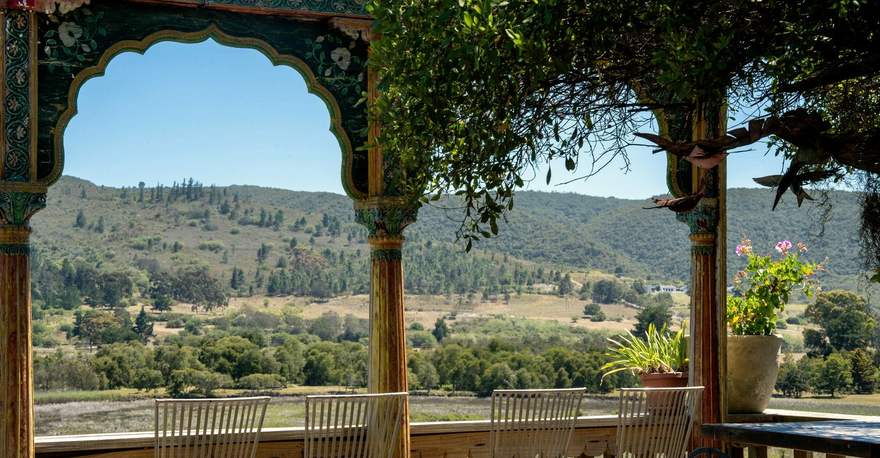
Your own vehicle and guide from arrival to departure. No group departures, no shared transfers, no fixed dates. If your family wants to stay another hour at the lagoon, you stay another hour.
We plan deliberately for the moments people describe years later. That usually means fewer stops, longer at each, and building the day around one thing worth remembering rather than five worth photographing.
Halal-friendly dining arranged before arrival, prayer times and qibla direction for every stop, Arabic correspondence, and privacy respected in accommodation and dining without you having to explain why.
Our guides are registered, first-aid trained, and chosen as much for temperament as for knowledge. Most have worked this coast for more than a decade. You will have the same guide throughout.
We use a deliberately short list of lodges, boat operators and reserves, all visited personally and reviewed each season. If a property slips, it comes off the list.
Planning, logistics, timing and coordination are ours. Park permits, restaurant reservations, internal flights, transfers. Your job on the journey is to be present for it.
A call or WhatsApp exchange in English or Arabic. Who is travelling, roughly when, and what matters most. Twenty minutes, no cost, no commitment.
Within two working days: a day-by-day proposal with named accommodation, driving times and a full price. Written to be read by the whole family, not just the person paying.
Most itineraries change two or three times. That is normal and expected — adjustments are free and unlimited until the journey is right.
A deposit secures accommodation and guiding. Balance is due before departure. Written terms, transparent cancellation policy, no hidden supplements.
Your specialist stays reachable for the whole trip, alongside your guide on the ground. One number, one person, whatever happens.
No booking pressure, no obligation. Tell us who is travelling and we will tell you honestly whether we are the right people for the journey.
Home/Stays & Experiences
Stays & ExperiencesWe would rather know twenty properties completely than list two hundred we have never slept in.
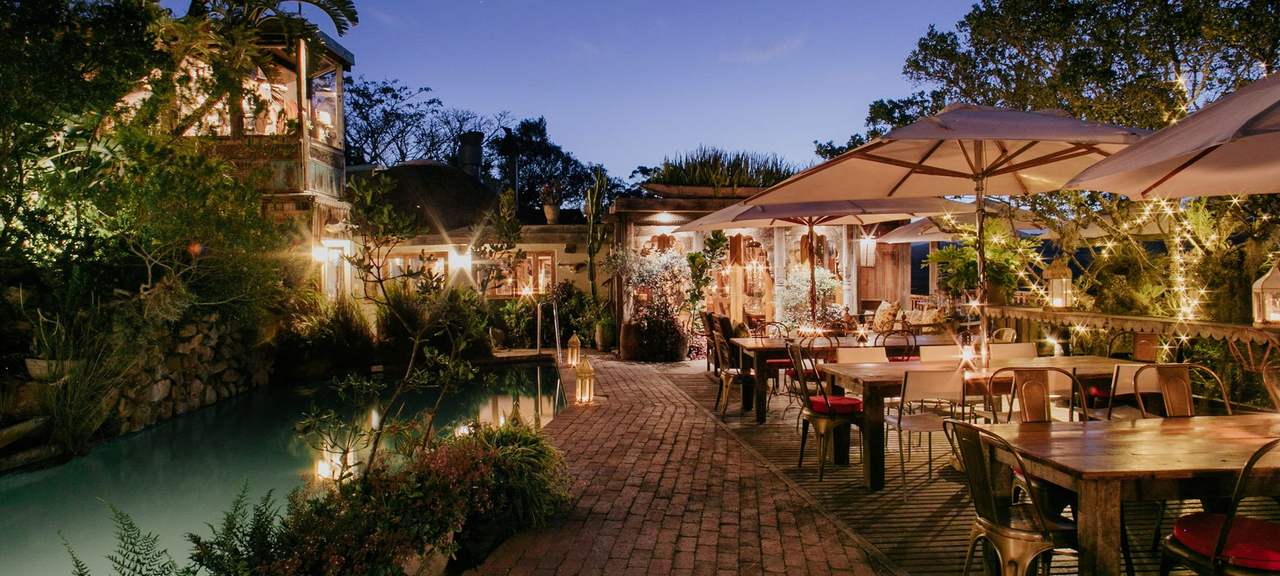
Small properties — typically eight to twenty rooms — where the owner is often on site and the staff learn your family’s names by the second morning. This is where the difference between good and exceptional hospitality actually shows.
For families we prioritise connecting rooms, private villas and suites with separate living space. For couples, we look for the opposite: seclusion, a view, and as few other guests as possible.
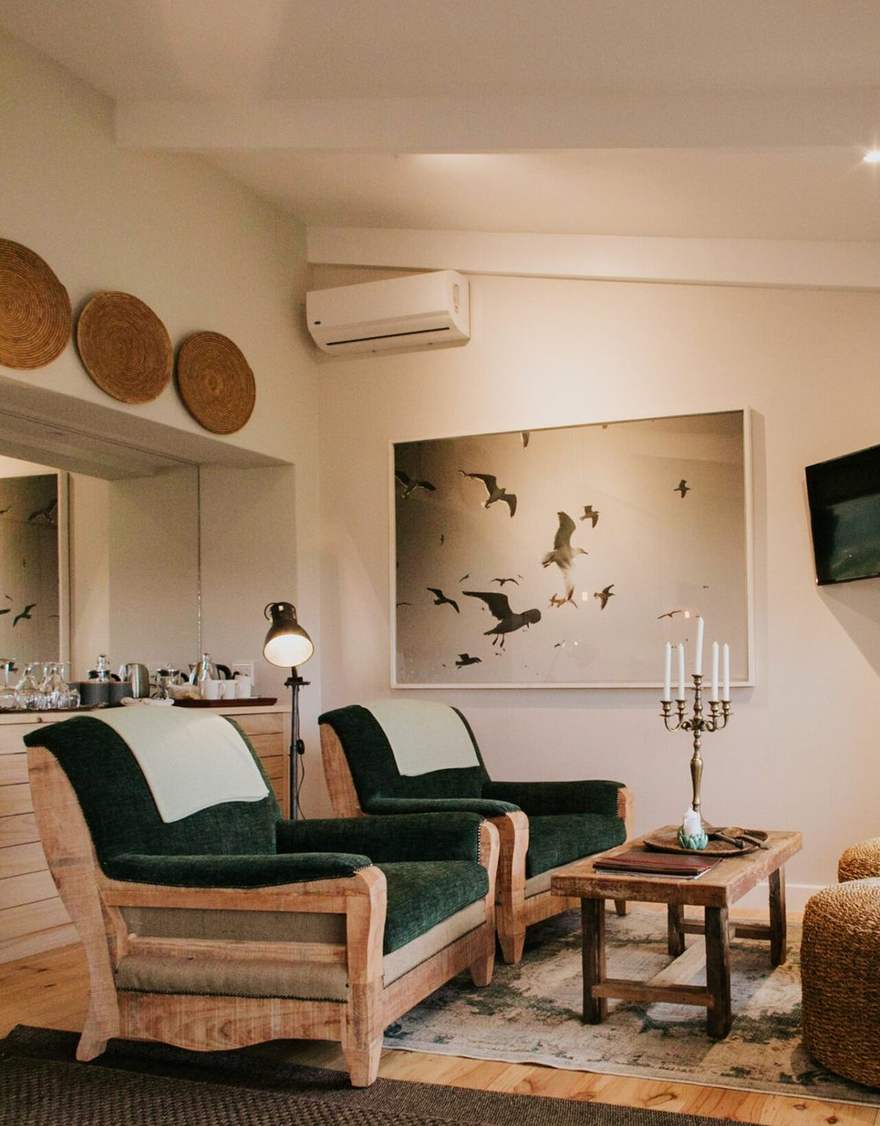
Properties on the water in Plettenberg Bay and Knysna — several with private beach access and swimming that is genuinely safe for children.
Private game drives in the Eastern Cape, marine wildlife at Hermanus, a seal colony at Robberg, and conservation sessions pitched at children rather than at adults.
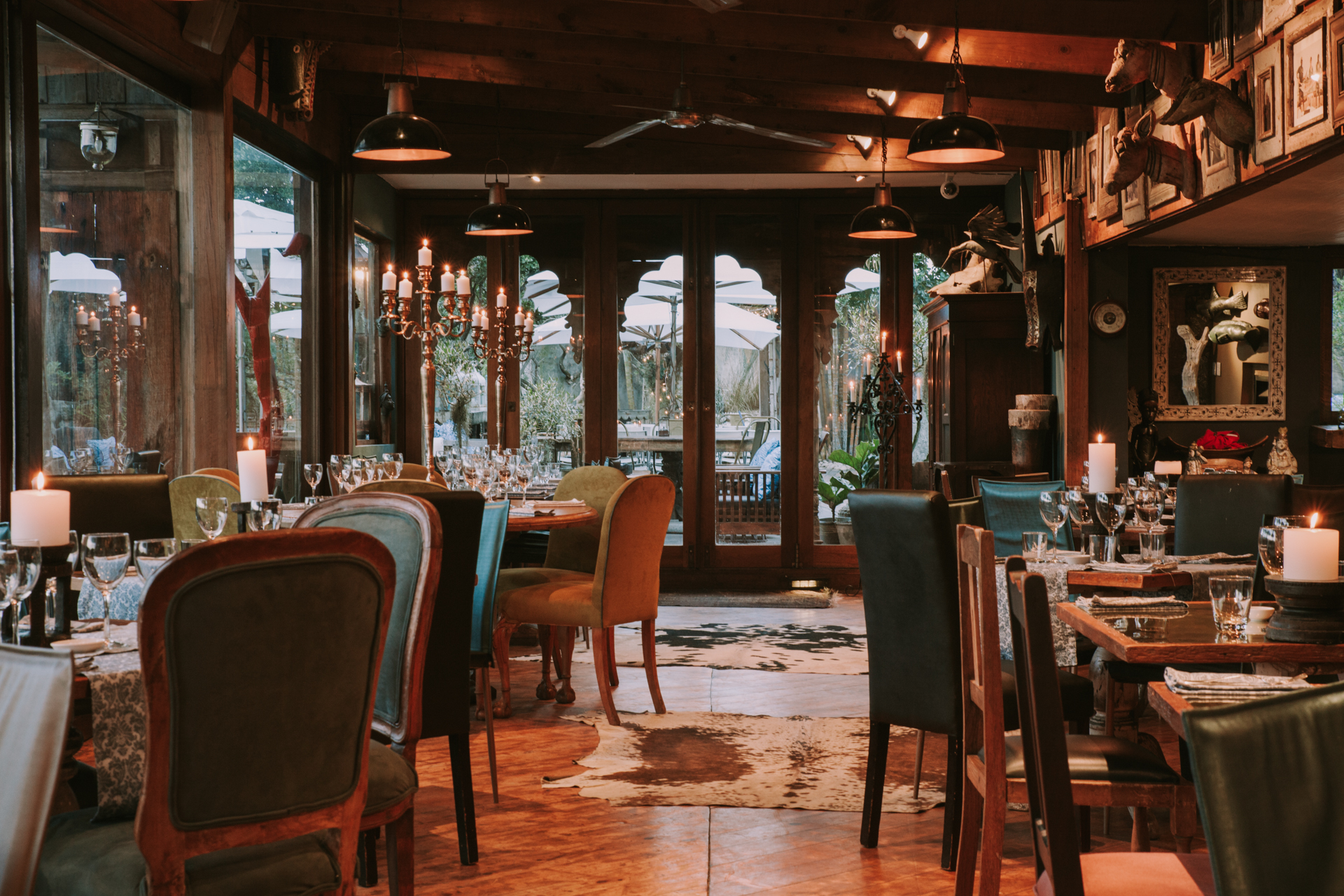
Halal-friendly restaurants identified on every leg, private chef dinners arranged in lodges, forest picnics, Knysna oysters, and Cape Malay cooking in Cape Town — a cuisine with roots your family will recognise.
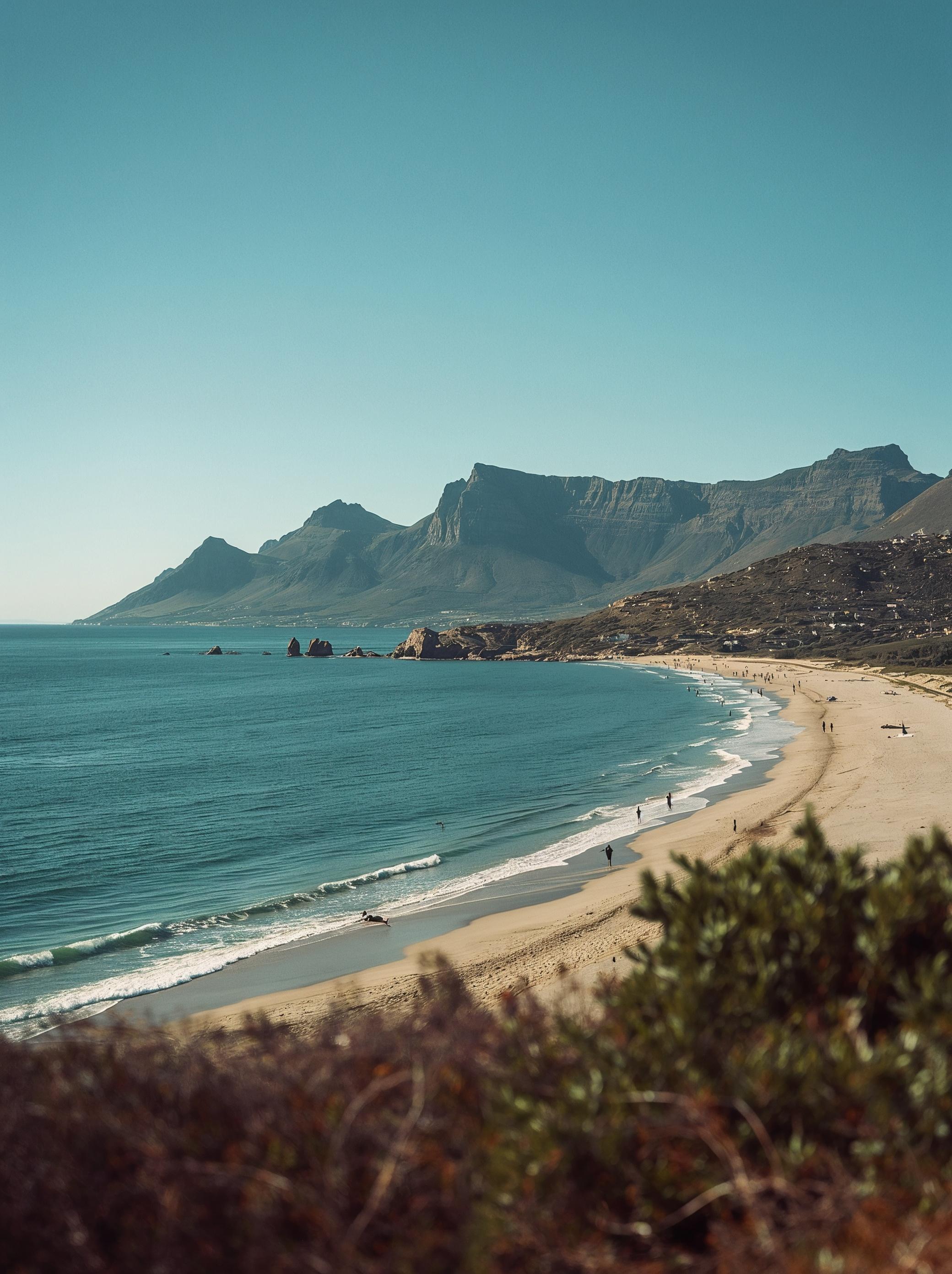
Forest treetop walks, lagoon kayaking, sandboarding on the dunes, tide-pool exploring and a junior ranger morning on safari. Chosen so that adults enjoy them too.
Village visits, craft workshops and community projects arranged through long-standing relationships — on the community’s terms, never as a viewing exercise.
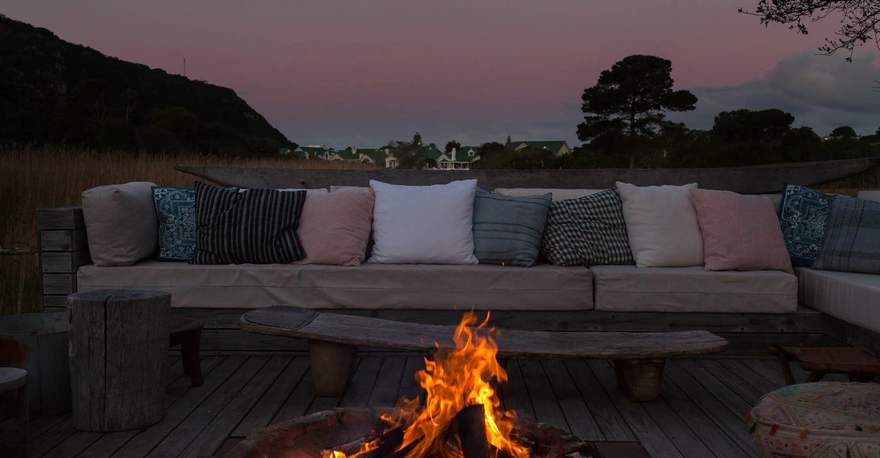
A dinner set up on a deck after the restaurant closes, a boat with nobody else on it, a viewpoint reached before sunrise. Arranged quietly, never announced.
Every property on our list has been visited by someone from our team within the last twelve months. Every guide has worked with us before. Every operator has a named contact who answers the phone.
It is a slower way to build a company. It is the only way we know to be accountable for the journey once you are on it.
Home/Questions
QuestionsAnswered directly. If something is missing, ask us — we will add it here.
South Africa has a real crime problem, concentrated in specific urban areas, and it would be dishonest to pretend otherwise. The Garden Route is not one of those areas — it is a well-established tourism corridor with lower crime rates than most European capitals along much of its length.
Travelling privately removes most of the remaining risk. You are in your own vehicle with a guide who knows exactly where to go and where not to, staying in properties with proper security, and never navigating public transport or unfamiliar areas alone. In Cape Town, where care is most needed, your guide is with you throughout.
Yes, and this is one of the strongest reasons to choose this route specifically. Addo Elephant National Park is malaria-free, so children can do a genuine Big Five safari without prophylactic medication — something not possible in most of Africa’s better-known parks.
For families with children under six, we shorten driving days, extend stays and build in pool or beach time daily. Car seats are provided at no charge. Most lodges we use welcome children properly rather than merely permitting them.
The Garden Route is a year-round destination, which is unusual. Our recommendation depends on what you want:
Yes. Cape Town has a large, long-established Muslim community and an extensive certified halal dining scene. Along the Garden Route certification is less common, so we work in two ways: we identify certified restaurants where they exist, and we brief lodge kitchens in advance to prepare halal-friendly meals with separately sourced meat, or seafood and vegetarian options where that is preferable to you.
Tell us your standard during planning — travellers differ on what is acceptable, and we would rather arrange to your requirement than assume it.
Cape Town has mosques throughout the city bowl and surrounding suburbs. Along the Garden Route mosques are fewer, so we provide prayer times and qibla direction for every location on your itinerary, and arrange a clean private space at each property. Driving days are planned around prayer times rather than through them, and your guide will simply stop when needed.
Small owner-run lodges, boutique hotels and private villas, typically between eight and twenty rooms. Every property has been visited by our team within the last twelve months.
For families we prioritise connecting rooms, suites with separate living space, or whole villas. For couples we look for seclusion. If you have a particular hotel in mind, we will book it — our list is a recommendation, not a restriction.
In a private, air-conditioned vehicle with your own guide-driver for the whole journey. Vehicle size is matched to your party — from a luxury sedan for two, to a minibus or multiple vehicles for larger family groups.
The driving is a genuine part of the experience on this route: coastal passes, mountain crossings and forest roads. Even so, we keep most transfer days under three hours, and your guide stops whenever anyone asks.
Before travelling: as often as you like, at no cost. Most itineraries go through two or three revisions, which we consider part of the process rather than an inconvenience.
During the journey: within the limits of what is already booked, yes. If your family wants a slower morning or an extra night somewhere, tell your guide and we will rearrange what we can. Some things — park bookings, internal flights — are fixed.
Requirements differ by nationality and change periodically, so please confirm with the South African mission in your country before booking flights. UAE, Saudi and Qatari nationals should check current rules directly, as arrangements have varied in recent years.
Children travelling to South Africa may need additional documentation, including an unabridged birth certificate and, where only one parent travels, consent from the other. We send a written checklist with every confirmed itinerary and will support your application with letters of invitation and confirmed bookings.
The Garden Route and Addo Elephant National Park are malaria-free, so no prophylactics are required for this journey. No vaccinations are mandatory for travellers arriving from the Gulf, though routine vaccinations should be up to date.
This is general information rather than medical advice — please confirm with your doctor or a travel clinic, particularly for young children or if you are extending north to Kruger or Victoria Falls, where malaria precautions do apply.
Our signature journeys start from around $6,400 per person for nine days and $8,000 per person for the full ten to twelve day route, based on two adults sharing in low season. Prices vary considerably with season, accommodation level and party size — larger family groups usually reduce the per-person cost.
Quotations include private vehicle and guide throughout, accommodation, park fees and listed experiences. They exclude international flights, visas, travel insurance and personal spending. There are no hidden supplements.
Yes. Correspondence, quotations and WhatsApp support are available in Arabic, English or German. Arabic-speaking guides can be arranged with sufficient notice — please request this early, as availability along the Garden Route is limited.
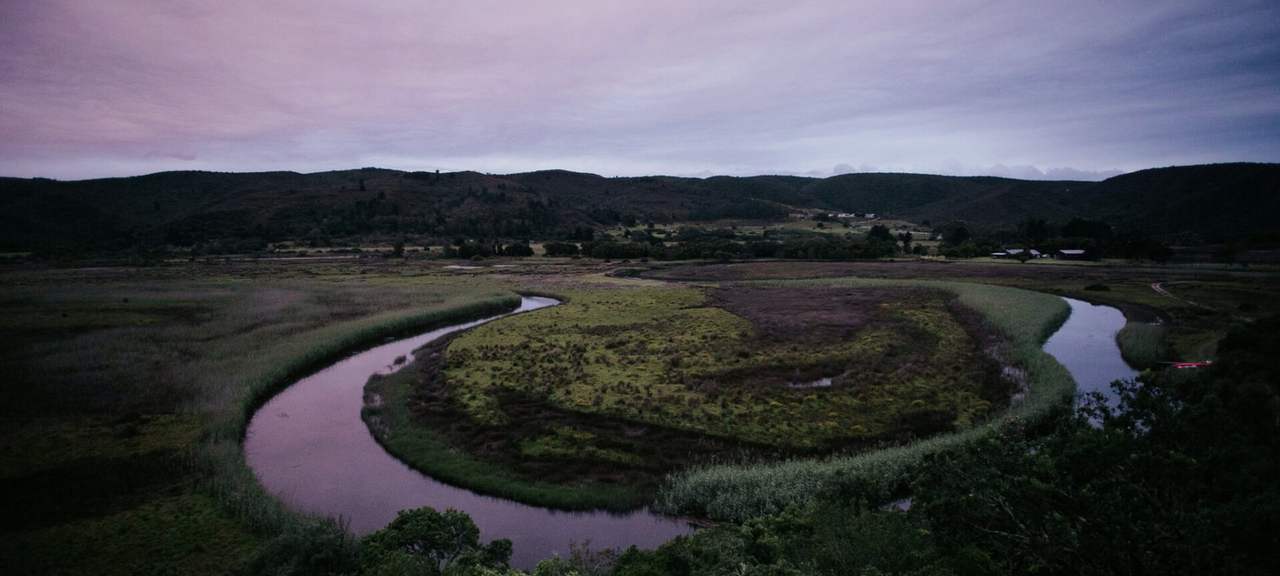
Home/Contact
Begin your journeyA South Africa specialist will send a first itinerary within two working days. No obligation, no booking pressure.
You will hear from us within two working days, in the language you selected. If you would like to speak sooner, message the concierge on WhatsApp and mention your name.